May 13, 2026
The Procurement Playbook Behind Luxury Guest Experience
Luxury guests feel the difference in the details, and procurement decides many of those details.
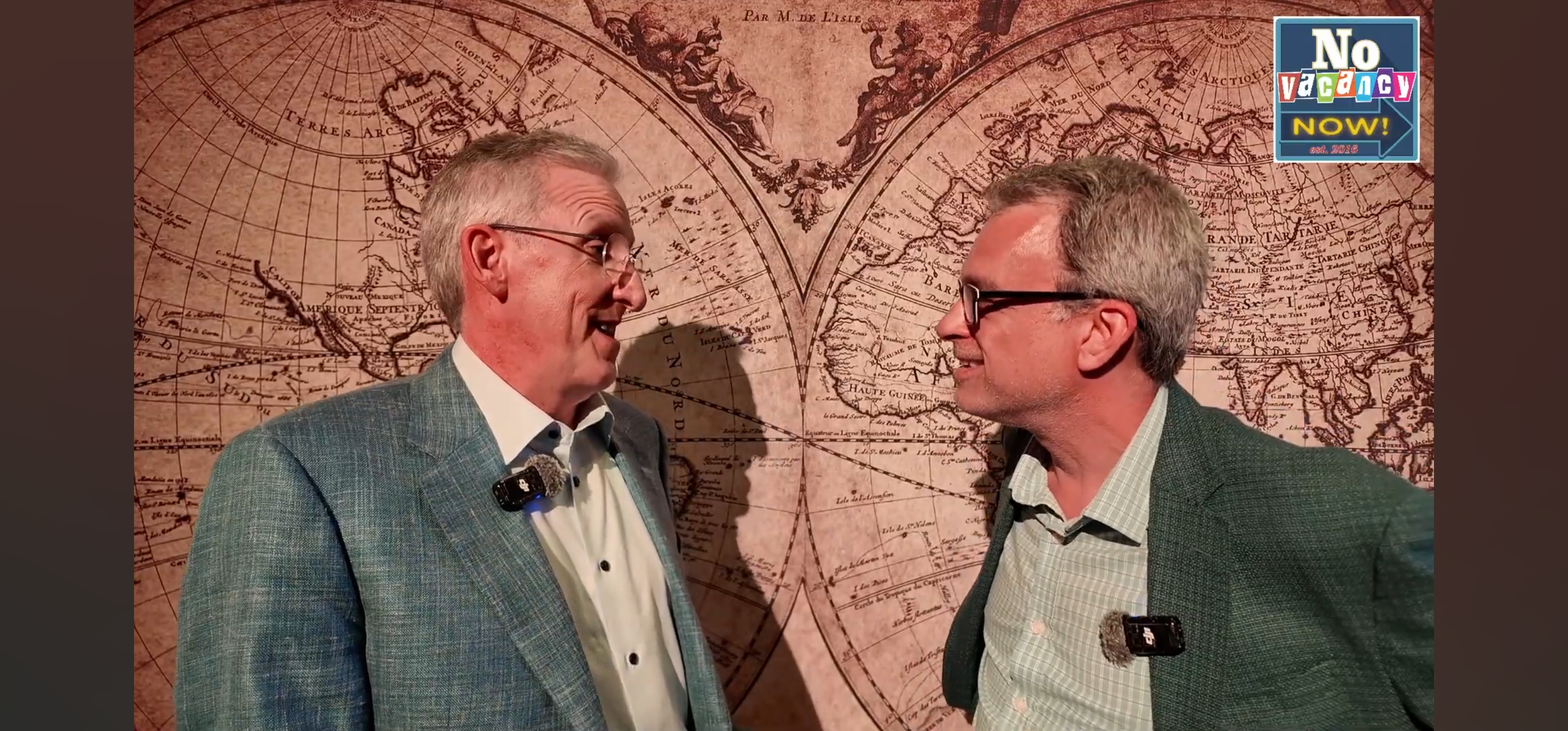
Glenn Haussman talks with Denis Klurfeld, SVP of Procurement for Luxury & Lifestyle at Accor, about how procurement shapes the luxury guest experience, protects long-term value, and balances standards with local authenticity.
Where Accor stays strict (sleep) vs where hotels stay flexible (culinary, amenities)
Frameworks vs gatekeeping: keep standards, preserve local identity
Total cost of ownership: durability, lifecycle, maintenance, guest perception
Sustainability as a major decision factor (30%+ of the scorecard)
Work with operations early so decisions stick after rollout
Thanks to Entegra for supporting this episode. Visit EntegraPS.com.
Want the weekly roundup of news, videos, and what you might’ve missed? Text HOTEL to 66866.
Transcript
Glenn: [00:00:00] Hey, everybody. It’s your hospitality. friend Glenn here. Thank you so much for tuning in. So you’ve probably seen yourself. What’s with the setup over here? Well, something’s going on with my studio machine, and I gotta bring you the stories that we need to hear, the stories we need to learn from the ways that we could all find better ways to be more successful using the tools that we have. And, you know, that’s my theme for everybody in 2026, helping you do more with less. So I’m excited about today. We’re going to be learning a little bit about how procurement can help give you the edge. But to do that, I got a brand new friend excited to welcome to the show. Today we got Mr. Denis Klurfeld, SVP of procurement with Luxury and Lifestyle with Accor. Denis, great to see you. How you doing today?
Denis: [00:00:47] It’s great to be here. Thank you for having me.
Glenn: [00:00:49] Well, thanks so much for being here. I appreciate it. I love, of course, luxury hotels. You know, I’m a big fan of the Fairmont brand for for example, some of my favorite properties are, of course, Banff. My phobia, those kinds of things. You’ve also got great luxury lifestyle portfolio. So I’m curious as to how you are kind of really thinking about luxury today and how it’s kind of like changed over the last five years or so.
Denis: [00:01:18] Yeah, absolutely. Look it’s been a big shift for core. Three years ago, we’ve essentially created a dedicated division for the luxury lifestyle business. And it really happened because we realized that luxury is no longer defined by excess, but it’s really defined by how intentional you are about these experiences. There’s been a shift towards being more relevant over being more opulent. We are focusing more on personalization over standardizing our offering. And you know, we need to be really seamless in the way that we execute. So what we realize is guests don’t necessarily notice what’s there, but they immediately feel when something is off And yeah.
Glenn: [00:02:05] It’s so interesting. Dennis, you’re absolutely right. It’s a lot of attention to the little details. But what you said, it’s not necessarily about opulence anymore because you can’t really, at the end of the day, in my opinion, compete on opulence because then you’re just going thing versus thing. When you break it down and you are able to connect emotionally with the consumer by appealing to them through whatever that experience is that you’re trying to create, I think that’s where you have a real big win. So how are you thinking about delivering experiences more specifically to better connect with people when, you know, you said it’s not about access anymore because people could afford to stay in your hotels, could stay in any hotels.
Denis: [00:02:48] Yeah. Look the expectation is really around now you know, delivering a really effortless experience and being really intuitive. And it really around outcomes and emotions rather than delivering things. You know, it’s no longer about the bottle of champagne or the chocolates or just pushing things on to our guests. But how do they how do they leave our property? And whether or not they had a memorable experience? And will that create a repeat loyalty and for them to come back to the
Glenn: [00:03:24] So true. It’s all about repeat. So what are some of those food and non-food ideas? 2 or 3 procurement decisions perhaps say really consistently create a more memorable, differentiated experience for the hotels that you’re a part of.
Denis: [00:03:38] Well, you know, it’s funny because procurement is one of the most invisible, I think, but yet powerful levers for guest experience.
Glenn: [00:03:45] My tech, my tech friends will say the same thing. Nobody notices when everything’s going right. Right.
Denis: [00:03:50] You’re absolutely right. But it it, it impacts so many things that it’s the feel of the linen that you sleep on. It’s the quality of the ingredients on your plate. It’s the design of the objects that you interact with. And you know, our guests don’t say, oh, you know, the procurement strategy is excellent. You really got it. But they absolutely say, you know, this feels right or this feels off. And that makes a really big difference at the end of the day for our operators and our guests.
Glenn: [00:04:16] Yeah. So where, where 2 or 3 places that you could get the biggest wins through procurement to connect with your customers.
Speaker 3: [00:04:24] You know, I think for us.
Denis: [00:04:27] It’s really around translating what is the brand DNA to how our guests really interact within that confined environment of our hotel. It’s around really driving the brand, the operations and suppliers to connect together. We’ve been working very closely with some key suppliers to create some incredible partnerships, for example, with cross or with freight to curate experiences that our guests would otherwise not be able to access outside of these you know, captured environments that we offer to our within our hotels. I would say those are, those are some of the experiences that I can think of.
Glenn: [00:05:10] So how are you then? How are you thinking about like how your corporate procurement team, where you are like working with individual properties, right? To collaborate to balance the standards that give that feeling with that local authenticity. So you could keep that experience as amped up as possible. The first thing I want is to wake up in a hotel room and be like wow, where am I? And by the way, that happened in my house the other day. I totally thought I was in a hotel. It’s very strange.
Denis: [00:05:38] You’re right. You know, balance is, is, is one of the biggest complexities that we try to navigate because you know, when you have strong brand standards, they deliver trust, but you also need local authenticity that will deliver memories. So you can’t overindex on the standards because you become generic. And to your point, you wake up and where am I? It all looks the same. But you also cannot overindex on local because then you lose the brand identity. So procurement, you know, in our world, what we do is we create frameworks, not constraints. We’re there to, you know, break down things that feel too rigid. We are moving away from things like compliance. But you’re trying to create the sense of ownership within us.
Glenn: [00:06:24] So could you give me an example of how something like that would work? Like a product I would think is fungible, like linens or a clock radio or a lamp. How do you create more of a guideline than saying hey, you need to get this make and model?
Denis: [00:06:41] Absolutely. Look things to do with our sleep experience, for example, are non-negotiable. I mean, a lot of the brands that needs to be gotten absolutely right and absolutely consistent because that becomes part of the brand promise. So that is an example of where, you know, it’s a brand standard and we expect our hotels to execute. But then you get into areas like culinary where you have a lot more ability to you know, adopted the local culture to provide the local flavor and to make sure that you deliver that authenticity. Same thing goes for amenities that you deliver. And same thing goes for the way that you welcome the guests and the way that you essentially you know, expand that experience beyond that.
Glenn: [00:07:26] So that’s so interesting. I hadn’t really thought about it like this before, but there are definitely places in the hotel experience where the authentic authenticity and the locality is essential. But then when you’re talking about the bed, it’s like you’ve got to have that consistency because that’s so central to the brand promise you’re making with the customer. If they’re both brand promises, they’re both in a in a different way, right? So when it comes to thinking about F, F, and E, then as like that total cost of ownership, how are you evaluating like decisions beyond upfront price to protect the experience, for example, in the long term and you know, how you like maybe work with our friends at Integra, for example.
Denis: [00:08:09] Yeah. Look you know, procurement within a core, we like to think of ourselves as a value hub rather than a cost author. And so all decisions are being essentially evaluated from the view of what is the value that we deliver to the owner, to the operator and to the brand. And we absolutely look at the total cost of ownership. So, you know, it’s, is it durable? What is the lifecycle of the product? What is the maintenance? What is the guest perception over time? And the most important piece of it is becoming sustainability. Sustainability is now over 30% of our scorecard in any decision that we make. And we look at it really holistically because that program is incredibly important.
Glenn: [00:08:49] Yeah, I totally, I see where you’re coming from on, on that one. And I, and it’s really important when you say the total cost of ownership, particularly when it comes to F and E, there are people that will make decisions out there to spend less, but they wind up spending more because they’re not getting the quality and the durability that’s essential. And that’s why someone like you is so essential as well to be able to work through those decisions. So give some advice to me and our people watching out there, like, what’s one thing corporate teams can do right now to start supporting properties better? And one thing properties can do to work better with corporate.
Denis: [00:09:29] Yeah. Look, at the end of the day, you need to partner. For us it’s listening earlier and designing with operations and not for operations. So the biggest mistake that we typically make is when we come to operations, say we have this wonderful thing for you, right? And then the question is being asked, well, who asked you and what did you come up with? So we learned that very early on. And the best strategies are really co-created. They’re not composed. And then for the properties you know, we are engaging early as a partner, not as a gatekeeper. The last thing we want to be seen as, you know, the person who comes in and says that you can’t do something. So we always listen and we involve them as well early to unlock better solutions. Figure out how we can execute faster and to deliver that better outcome for for the guest.
Glenn: [00:10:17] I love it. Dennis, thank you so much. I really appreciate you being here today.
Denis: [00:10:21] My pleasure.
Glenn: [00:10:23] Thank you. I want to thank you guys for being here today. So listen, what do we take away from this? A couple of things. One, you got to spend the right amount of money in order to be able to connect with guests. But if you’re going to spend the money, then you’ve got to be doing it in the right way. And that means accentuating the experience. You can’t just compete on things. Those are fungible. Those are forgettable. So you’ve got to think about when your procurement process, how you’re able to better utilize that to make that emotional connection, that will get guests to remember you, to love you, to preach about you, to come back and more importantly, get you out of having to worry about that premium pricing. So please do me a favor. Check out my friends over at Integra integra.com. That’s integra.com and like, share, subscribe and all that kind of good stuff. And we’ll see you next time right here on No Vacancy.


More Episodes
-
June 6, 2026
FNA 211: Memphis, Kooky Canuck, and Southern Lodging Summit
-
June 5, 2026
Gen Z, Millennials, and the Vacation Ownership Shift
-
June 4, 2026
Hotel Owners Facing Tough Choice: PIP, Sell, or Switch Management
-
June 3, 2026
Hilton Launches Undergraduate by Hilton for Smaller University Markets


Subscribe