March 26, 2026
Hotel Profitability in 2026: Work Every Line Item
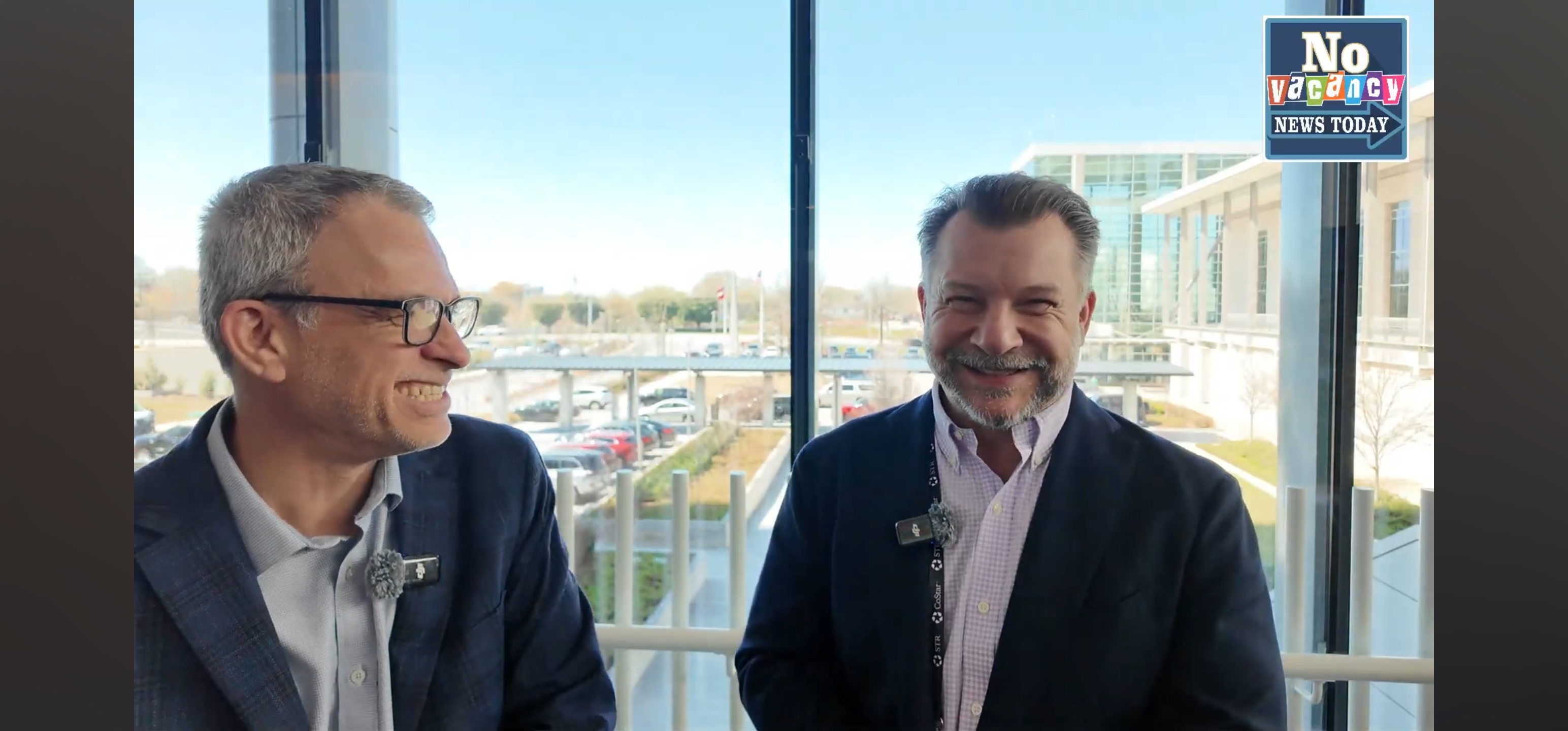
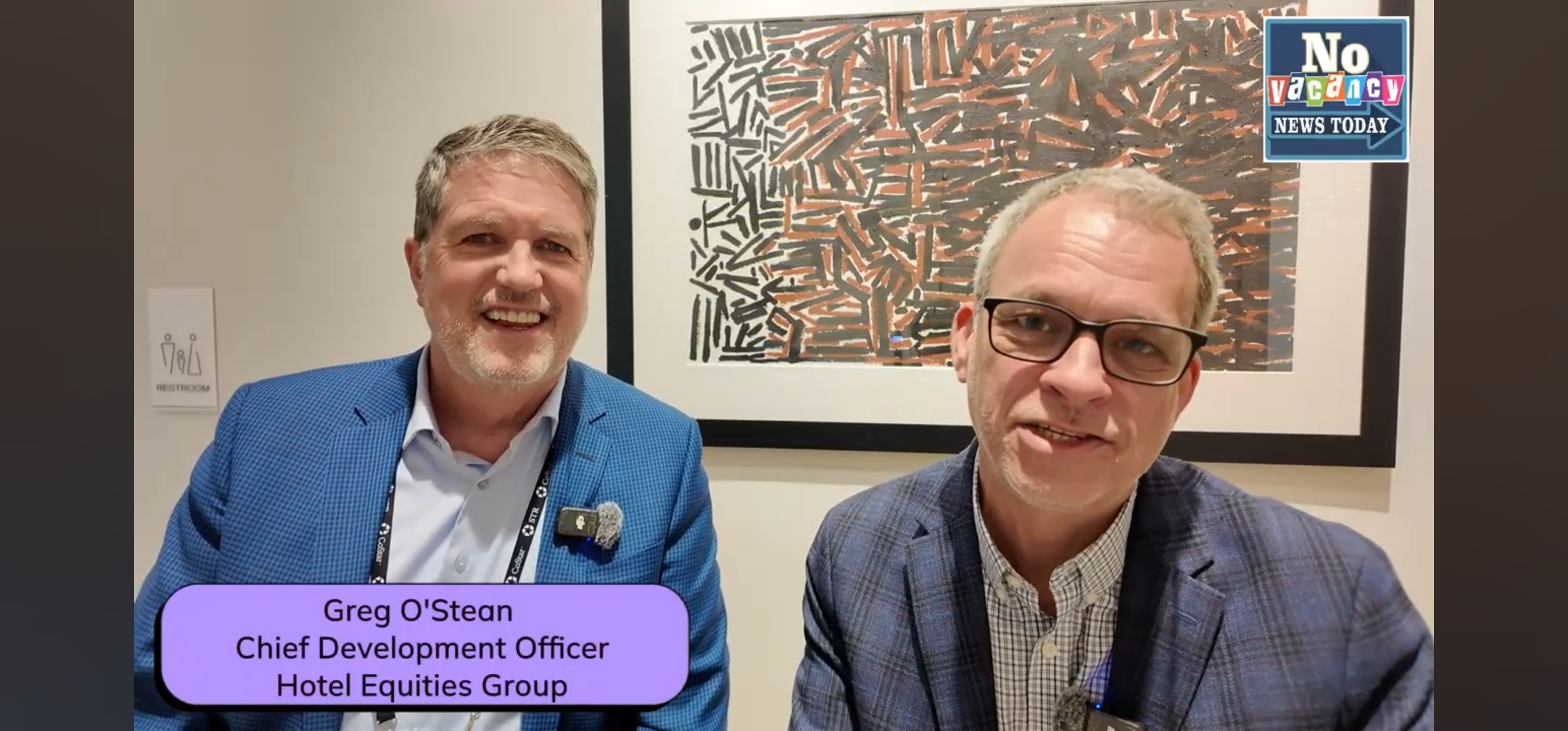
While he was at the Hunter Conference, Glenn Haussman talked with John Schultzel of Olympia Hospitality about the least sexy question in hotels—and the most important one: where do you actually find profit when there’s no silver bullet?
Start with payroll, then work every other line item
Hidden killers: credit card fees, insurance, deductibles, exclusions, coverage limits
Energy discipline: walk the building, manage lights, invest in tech only when it pays back
AI and automation: what it changes for hotel org charts
Seasonal reality: leaders work arrivals and teams cross-cover instead of hiding behind titles
The simple target: find $300 a day, because $300 a day turns into $1M a year
Drive voluntary spend with pre-arrival and in-stay communication, plus trained front desk upsell
Want the weekly roundup of news, videos, and what you might’ve missed? Text HOTEL to 66866.
Transcript
Speaker 1: [00:00:00] Hey, everybody. It’s your hospitality friend Glenn still at the Hunter conference around. John Schultz with me, Olympia Hospitality. Very excited to be talking to him because I usually don’t get to talk to Mainers. So this is always exciting to me.
Speaker 2: [00:00:12] It’s a blessing for you.
Speaker 1: [00:00:13] I know that’s definitely the word. So how are things going by you? What’s going on up up there in the northern part of our country?
Speaker 2: [00:00:20] Well, up there it’s all you know, New England is about the weather. Yeah. So we’ve had a good winter.
Speaker 1: [00:00:25] It was it was the best. I really loved record snows minus.
Speaker 2: [00:00:29] We used to say these things in hospitality. Like sometimes a good natural disaster is good for business. Yeah. We have a little bit of that. Sometimes it’s too much of a good thing. We’ve had some bad, bad winters elsewhere in the country this year, but we’re touching like all segments and all locations. And so we got a pretty good cross-section of how it’s working for sure.
Speaker 1: [00:00:45] I will say before we move on, one of my buddies runs a hotel at an airport and the weather’s been horrible and he’s just been like enjoying woo hoo! Yeah. I’m like, first I’m like, I’m so sorry. Here he goes. No, no. It’s amazing.
Speaker 2: [00:00:56] One person’s distress is another person’s bounty.
Speaker 1: [00:00:58] Yeah. They can tell like 500 rooms in like 20 minutes. Sometimes it’s really wild. So the main theme that I wanted to talk to you about today, and that I keep coming back to, is how do you create more profitability when expenses are really climbing and it’s getting really hard to increase how much you’re charging on a per room basis. What’s your philosophy behind that? How are you approaching it and where are you finding success?
Speaker 2: [00:01:22] I think that is admittedly sort of the theme of the last couple of events that we’ve been to. Profit pressure is like a real thing. And I think owners are really relying on operators more than ever to sort of scrape as much as they can out of the financial statements to either preserve NOI or grow it to the extent that it’s available. Right. For us, that’s not like a silver bullet proposition. You know, we have to literally manage every line item on the statement. In most cases, it starts with payroll. But we’re having to be like really, really active, almost hyperactive on all the other things. In some cases, it’s credit card fees, right? In some cases, it’s insurance. We’re sort of back to, you know, walking around your building. Turning lights off, which is basically kind of an analogy for energy management.
Speaker 1: [00:02:15] Also the story of my life at home.
Speaker 2: [00:02:16] Yeah, exactly. But part of that is technology and investing in technology, which is a capital concern. You know, I think the insurance industry is another thing that you just have to be like, you have to look behind every bit of coverage that you have. Sometimes it’s deductibles, sometimes it’s exclusions, sometimes it’s actual coverage limits. But we find that the pursuit of profitability is, is literally in every item pursuit. Yeah. And that there’s really no way to go about it where it’s sort of a wholesale change.
Speaker 1: [00:02:45] No. Right. And one of my friends years ago told me that every year to 18 months, they relook at every single thing. Because once you make a deal, sometimes you just forget about it and you don’t even realize that there might be other opportunities that give you more for less, or even with the same company that you’re dealing with.
Speaker 2: [00:03:02] Yeah. And there’s also, there are transformations going on in our industry right now that sort of transcend the hotel org chart. Some of this is AI driven and technology driven, where there are things that used to require team members to execute. That could be executed more efficiently by outsourcing or by automating. And I think some of our best times are still ahead of us in trying to figure out how to leverage things like the AI component beyond administrative efficiency to actually, you know, hopefully being able to optimize and downsize hotel org charts. Yeah. So and that’s coming up, right?
Speaker 1: [00:03:38] That makes a lot of sense. Leverage technology to be able to do more with less. And I’m a big believer that every human being in the building needs to be paid well, but you don’t need as many of those people if you’re able to get rid of all of those tasks that keep people away from dealing with people, would that be a fair?
Speaker 2: [00:03:56] Absolutely fair. And then I think the sort of the corollary to that, especially in seasonal properties as we get into profit preservation, is, you know, in a seasonal hotel, you really have to make sure that everybody in the building is optimized to their fullest potential. So in some cases, that’s managers welcoming guests at arrival and being our front desk agents. In some cases, it’s food and beverage directors being on the floor. And in some cases, it’s, you know, not operating laundry seven days a week, but only operating three days a week. But I think it’s that granular. And without that, that approach, that sort of every nickel we have in our company, it’s a $300 a day mantra that creates $1 million a year in annual value, right? So we’re always chasing $300 a day.
Speaker 1: [00:04:43] I love it. What’s the best way to get customers to spend more willingly?
Speaker 2: [00:04:47] I think they have to understand the benefit of doing it. So some of that’s about what is the experience? What am I getting for it. There’s a sort of a trade off there. Yeah, part of it is pre-arrival correspondence and part of it is how am I engaging with them when they’re in this space? And do they understand what the opportunity is? Right. And then some of it’s like basic things, like, again, when you’re chasing every dollar, you know, it’s What’s our valet parking rate, right? Could it go from 19 to 21 for the next six months? Is there a seasonality component to it? Did we used to give it away and now we don’t? Right. So sometimes it’s not giving away things that you used to give away. And and that’s how they pay more.
Speaker 1: [00:05:23] And my guess is giving the front desk staff the tools to provide guests with opportunities to spend more money as well.
Speaker 2: [00:05:32] Absolutely. But part of that is, is intentional education for those desk agents to know, like, what do you expect of them? What are those opportunities? What is the verbiage you can use? Like you have to be pretty thorough about it.
Speaker 1: [00:05:43] Yeah. And some of my, some of my hotel friends will give a percentage of that to the associates. So they really got skin in the game.
Speaker 2: [00:05:48] Absolutely. Yeah. Yeah. We want partners in our success, right?
Speaker 1: [00:05:51] Exactly. Any final words before we wrap up today when we get back?
Speaker 2: [00:05:54] Oh, no. You know what I love is like hospitality. People were the consummate optimists. So let’s stay optimistic. And, you know, we’ll be. We’ll be here for years to come.
Speaker 1: [00:06:03] All right. And I’m going to try to be an optimist again. And if you watch some of my previous videos, you know, I haven’t been. But guys like this, he’s making me feel pretty better. See you guys later. Bye.

More Episodes
-
March 24, 2026
1024: Hilton + Graduate: How the Brand Scales Without Losing Personality
-
March 23, 2026
Picking the Right Hotel Operator in a Chaotic Market
-
March 21, 2026
How to Grow TRevPAR When RevPAR Slows
-
March 21, 2026
FNA 205: The Hills are Alive With The Sound of Stephanie

Subscribe