December 23, 2025
What FIFA 2026 Really Means for Hotel Development
FIFA 2026 may be huge, but that doesn’t automatically mean smart hotel development.
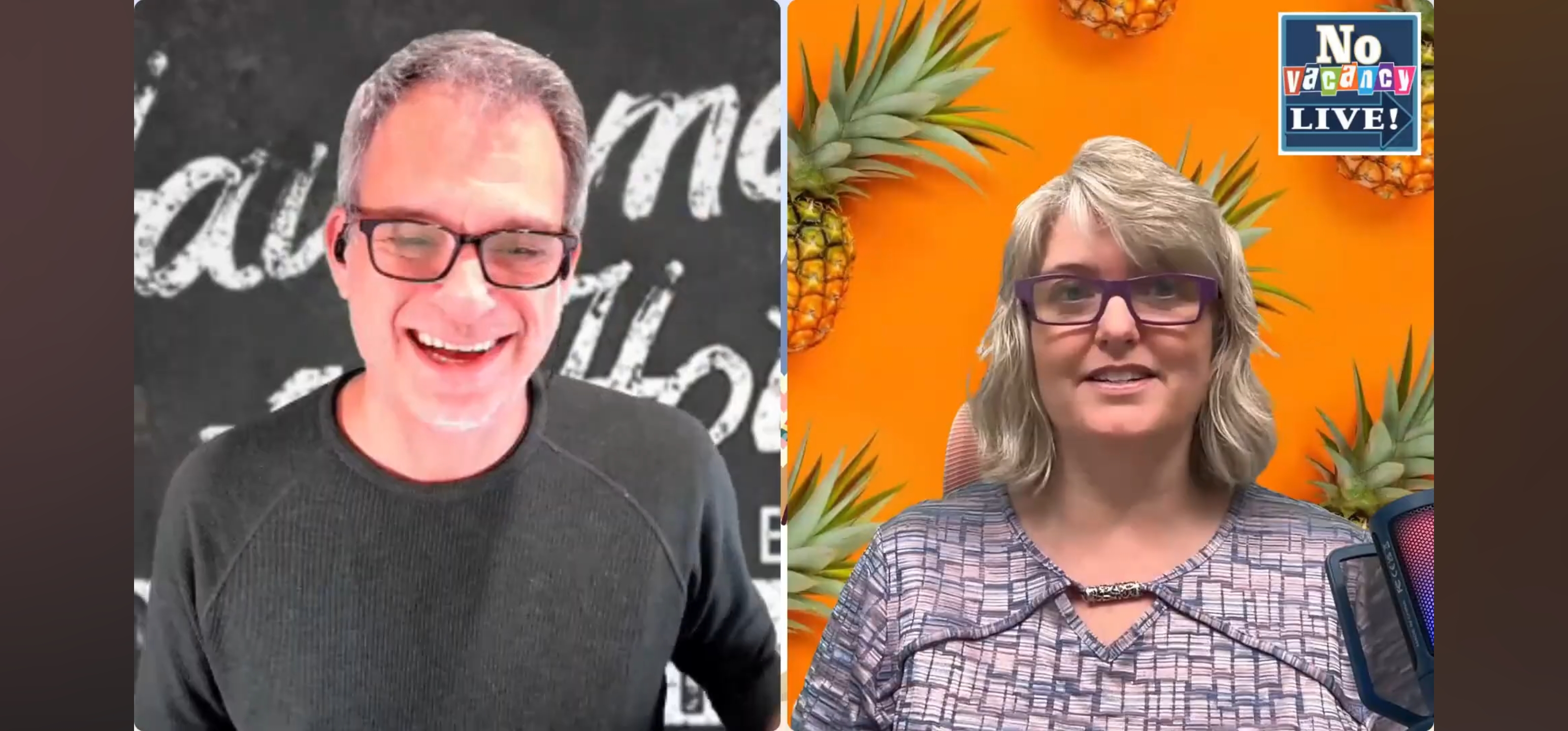
In this episode, Glenn Haussman talks with Bruce Ford of Lodging Econometrics about what the hotel pipeline really looks like in FIFA host cities across North America. They break down where hotels are being built, where owners focus on renovations instead, and why long-term success rarely depends on one event.
Bruce explains how stadium districts evolve, why teams and support staff often stay off-market, and how owners think about pricing opportunities without building themselves into a long-term problem.
This episode is brought to you by Actabl — Actabl gives you the power to profit. Visit Actabl.com.
What we discuss:
⚽: FIFA 2026 host cities and real hotel activity around them
🏨: Why hotels aren’t built just for tournaments
🏗️: Where full-service, select-service, and convention hotels fit
🔄: Renovation vs. new construction decisions
🏟️: Stadium-anchored entertainment districts that actually work
💸: How hotels capture high rates without relying on one-time demand
Your turn:
Is FIFA a development catalyst — or just a temporary pricing opportunity?
Transcript
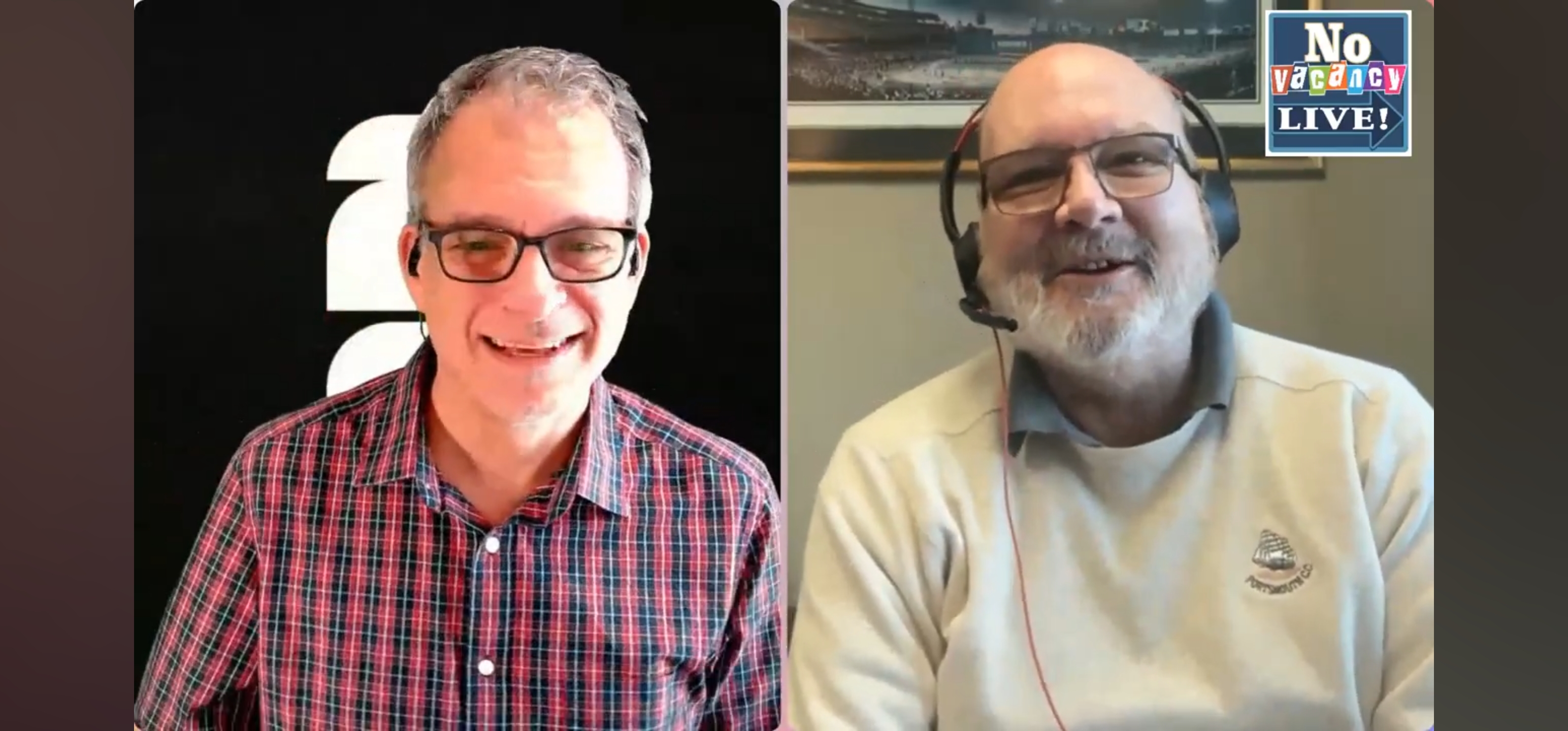
Glenn: Hey, everybody. It’s your hospitality, friend Glenn here. And if you’re like me, you’re worried about what’s going to be going on with the FIFA Tournament 2026. We’re hearing a lot about we’re hearing a lot about it, but I’m curious as to what’s going to be happening from a hotel development perspective. But before we get into that, I want to thank our friends over at Actabl. Actabl gives you the power to profit. Check them out at Actabl.com. You’re going to save money on labor by checking out these guys. And if you want to save anything like the pain, the heartache of not knowing what’s going on with the construction pipeline as regarding to FIFA. We got wonderful Bruce Ford with me, SVP of Lodging Econometrics and I got a FIFA graphic here that I’m too, too fat and I’m blocking it. Are you doing? I’m doing great, Glenn.
Bruce: I enjoyed some football last weekend and we’re excited to have the World Cup in the US and in Mexico and Canada. For the first time since 94. It’s been quite a while.
Glenn: Right.
Bruce: And this is also the first time that they’re going to do a 48 team tournament for kids, a 32 team tournament.
Glenn: That’s pretty serious.
Bruce: And as we know, when you’re the host country, you automatically qualify.
Glenn: Well, that could end this year. So that’s that’s a nice change of pace.
Bruce: So we get the US we get Canada and Mexico are all automatic qualifiers.
Glenn: Do they all play each other to see who loses quickest?
Bruce: No actually they all hosted this. So they’ve already had the draw to put everybody into slots if you will. And the US, Canada and Mexico are quote group captains. Right. So they were top five countries plus the US, Canada and Mexico. So you have groups of actually ten groups of 12 groups of 12 groups of four. Yeah. I’m going to get this. It’s an expanded tournament.
Glenn: Out how human we all are. But I was in Las Vegas a couple of weeks ago, and I was actually doing a sports focused panel right about how it’s driving engagement and stuff. And I asked Walt Eisenberg, the co-founder and industry icon from Sage Hospitality. I said, bro, I said, one thing I’ve never understood in my career is, why do you build a hotel for the Olympics or football? You know, if the Super Bowl or one of these other things, because it seems to me the second event is over. You’ve lost your demand, driver. He agreed with me, and I felt pretty darn good about myself because I never understood it. And I think we’re going to get to the bottom of some of this today, aren’t we?
Bruce: Well, in many cases the development of these what we’ll call sporting hotels. Yeah. Okay. It’s not a seven day a week demand kind of generator. You have to have other things going on around it, like in using Gillette Stadium in Foxborough. Right. So Foxborough is halfway between Providence, Rhode Island and Boston, Massachusetts, which is about 30 miles in either direction. So at Gillette Stadium, they have a whole Patriot place. They have the Patriots Pro Football Hall of Fame, they have a showcase cinema. They have showcase live. They have 200 retail outlets, a bunch of restaurants. They have two hotels.
Glenn: Yeah. This makes sense. And funny thing, Bruce, the panel that we were talking that I was I was on at the Inspire Luxury event in Las Vegas. We talked about this turning empty parking lots into places of experiences that can generate income.
Bruce: Yeah, they do it in Dallas, too. So in Dallas, they have Globe Life Stadium, which is the baseball stadium for the Texas Rangers. They have the old Texas Rangers baseball stadium, which they use for college and high school games. Then they have Texas Live, which is kind of the entertainment complex, a couple of very big hotels, convention style hotels, and then you go underneath the highway and across the street and there’s AT&T Stadium where the Cowboys play.
Glenn: Yeah, fantastic. And no vacancy fans out there. It looks like in February I’m going to be going to check out the construction of Oc5, a project like this in Anaheim. Bruce. Yeah. Pipeline, baby.
Bruce: Pipeline. So we’re talking all.
Glenn: Going on here in the United States, just Toronto, Mexico. I mean.
Bruce: Of course, the first page is the international locations outside of the US. So we have Guadalajara and Monterrey, Mexico, as well as Mexico City with the stadium in Azteca and then Vancouver and Toronto. So this shows the total new construction pipeline of projects that are actively being pursued out there today. What is scheduled to happen between now and the World Cup, and then what conversions and renovations are actively being pursued right now with intention to open before the World Cup. So there’s a lot of activity. What’s unique about a an event like the World Cup is that you have really kind of three components. You have the customers and or the ticket holders. You have the volunteers that run the stadiums, that run the concessions, and then you have the FIFA staff and the country staff of everybody else. Okay. So you have really three big piles of demand. And I can tell you the teams might stay in a hotel, right. But much of their support staff and much of their stadium staff and much of the other support team, They stay in colleges.
Glenn: In dorms. Interesting.
Bruce: Yes, because it’s that time of year. The colleges are all done. They got a couple of weeks to clean it all up, and then they welcome much of this staff because they don’t play games every day in the World Cup, right. A couple days a week. Okay. But people aren’t leaving and coming back, right?
Glenn: Of course.
Bruce: They’re staying. Okay. So a college dorm campus makes a lot of sense. And also they have practice facilities there for the teams. Okay. And it’s less expensive. Okay. Than it is staying in downtown Boston and busing out to Waltham every day to go practice. No, let’s just stay at the college.
Glenn: Right.
Bruce: So. And we’ll go to a hotel for the day before the game, if you will. So that we’re close. So I think that setup is common in a lot of places. But the the hotels are for the fans. Okay, so in many cases we’re seeing higher end full service hotels, lots of convention space built in these complexes, if you will. And they’re really just refitting and resetting and redoing. I mean, Azteca is a 75 year old stadium. I mean, it means they put in a ton of money into renovating the stadium, in addition to preparing all the plazas and things around it for this, for this event. And that’s happening in a lot of places. Bc in British Columbia, in Vancouver is right in downtown. It’s a beautiful spot. Building up some more hotels there. They’ve been building hotels there for a couple of years. Right. And then in Toronto, they really had a renaissance of development downtown.
Glenn: Seems like it, especially because only seven are opening in 26, and there’s so many projects in the pipeline.
Bruce: Yes. And so they are ramping up to continue to develop properties in and around, and every one of these locations is 20 miles around. The stadium location, right as we’re considering what the pipeline is.
Glenn: All right. So what about here in the United States? Oh, well, Dallas again, which we talked on about last week’s show. Predominantly that market is expanding. So you could absorb a lot more of that hotel stuff. And my guess is a lot of folks are building hotels and opening them in time for this, but not dependent on that business for the long term viability.
Bruce: You have a big new phase of Texas Live that’s scheduled to open before before the World Cup kicks off. But of course, they continue to expand there. They built the new dome Stadium there. Eventually they will knock down the old Texas baseball stadium and build another large hotel there, too. So? So Dallas has got quite a bit of activity. It’s one of the highest investment markets in the United States. The L.A. Coliseum. They were formerly going to do the SoFi Stadium, but SoFi said we’re not pulling the turf to put grass in, so we’re not hosting. So they’re out at the USC Coliseum. And as I have heard it. Okay spring games are all USC can’t use the stadium from now on. Okay. In advance of the, of the World Cup matches. And then we’re also playing at the Rose Bowl in Pasadena. So some of that might cross over a little bit because those aren’t terribly far apart. Yeah. But in Houston we’ve opened a ton of hotels there, lots of renovation in Houston. And again in San Francisco, which is really Santa Clara. Again, lots of renovation there because that stadium’s been open for 7 or 8 years up there. And so they continued to go through that first big phase of renovation. So again, all of these are actual project records in our database researched by our research team. If you’re interested in knowing any details about these projects, we certainly have them and they are available.
Glenn: Well, what about these on the East Coast, buddy?
Bruce: Yeah, the East Coast is the coast. So? So in Miami, okay. Again, they run the F1 around the stadium, which is is it Sun Life Stadium in Miami? I think that’s what it is anyway. Oh, no. Hard Rock stadium. So hard Rock Stadium, they run the F1 around there. They’ve been ton of development down in in South Beach in Miami. It’s probably one of those other markets like Orlando where leisure leads the convention business, if you will. So a few days of leisure and a few days of convention. Very active, very busy marketplace New York, new Jersey. They can always build better hotels there in and around MetLife Stadium. So we’ve seen we see some coming. I know that our friend, Producer Dave, is not excited about the 39 renovations and conversions that are happening out there. He says it’s not me. You know, and so we feel for him.
Glenn: For those of you who don’t know, Producer Dave is GM of a very large hotel out in that area. Yeah.
Bruce: And then the Atlanta Stadium is right downtown at the Georgia World Congress Center. A note that they built a very big the first Hilton insignia right there that opened it was in the last 12 months that that.
Glenn: I’ll be staying there in March.
Bruce: Yeah. As well. So very big hotel there. But also several going on around smaller properties kind of thing, but also a ton of renovation and conversion, walkable situation there in Kansas City. New properties again, but a lot of select service, just 100 rooms, a hotel, but some of the bigger properties, we get up to 200 or 180 keys of renovation and conversion. And then in Philly again, lots of renovations and conversions. So in the US, with a very developed cities, very developed locations, these stadiums have been there for a long time. It’s just really trying to spruce up the hotel so they can get to eight, nine or $1,000 a night.
Glenn: Yeah. And they, I know they’ll it might very well, it happens.
Bruce: And you know what? Well, Mr. Eisenberg says I you know, I don’t understand why you would build a hotel there. I said, well, I don’t know, triple the triple the room rate for a couple nights.
Glenn: Yeah.
Bruce: It’s kind of a thing. I mean, you know, people you always remember the first time you you were in a hotel with a friend, and they look at the door and they go, what do you mean? You could charge $2,900 a night? I say, well, this is going to be the time. Right.
Glenn: That is true. And just dealing with this is probably going to want some great advice on how to leverage these market conditions. And I’m going to suggest talk to Bruce. How do we find you, Bruce?
Bruce: We talk about markets all the time. We have the details on any cities that you’re looking at. If you’re looking for those 20, 26 opportunities in these World Cup cities, we have that available lodging, econometrics. Com please feel free to send me an email Bruce at Lodging Econometrics. Com and of course visit our friend Glenn at No Vacancy News for some great content.
Glenn: Thanks man, I appreciate that. And happy holidays everybody out there. I think, Bruce, this might be the last piece of original content I’m running in 2025, so very exciting stuff.
Bruce: Happy anniversary. Glenn.
Glenn: Oh, yeah, I got ten years. 10th anniversary of no vacancy coming up top of the year. We’ll see you there. Until then, please like, share, subscribe, this video and all that kind of good stuff. Show bf a little bit of love. Happy holidays.
Bruce: Happy holidays everybody.
Glenn: Bye everybody.
More Episodes
-
December 22, 2025
Help Support Rock Out Myeloma — January 15
-
December 21, 2025
FNA 196: Old Year, New Friends
-
December 19, 2025
Hospitality’s 2025 Reckoning — And What Comes Next in 2026
-
December 18, 2025
Episode 1,000: Still Showing Up 10 Years Later

Subscribe