September 19, 2025
Why Extended Stay Hotels Dominate the Pipeline | Bruce Ford, Lodging Econometrics
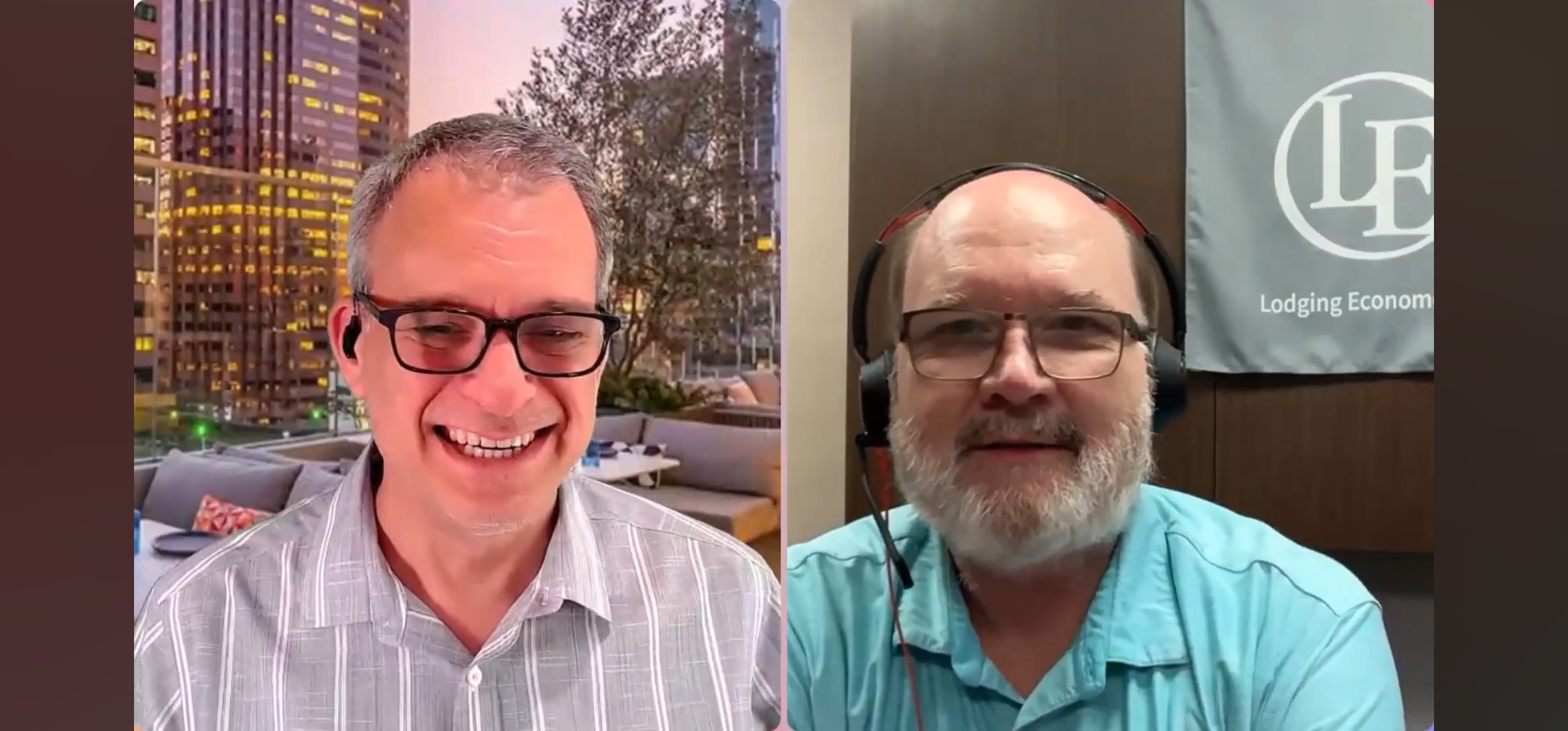
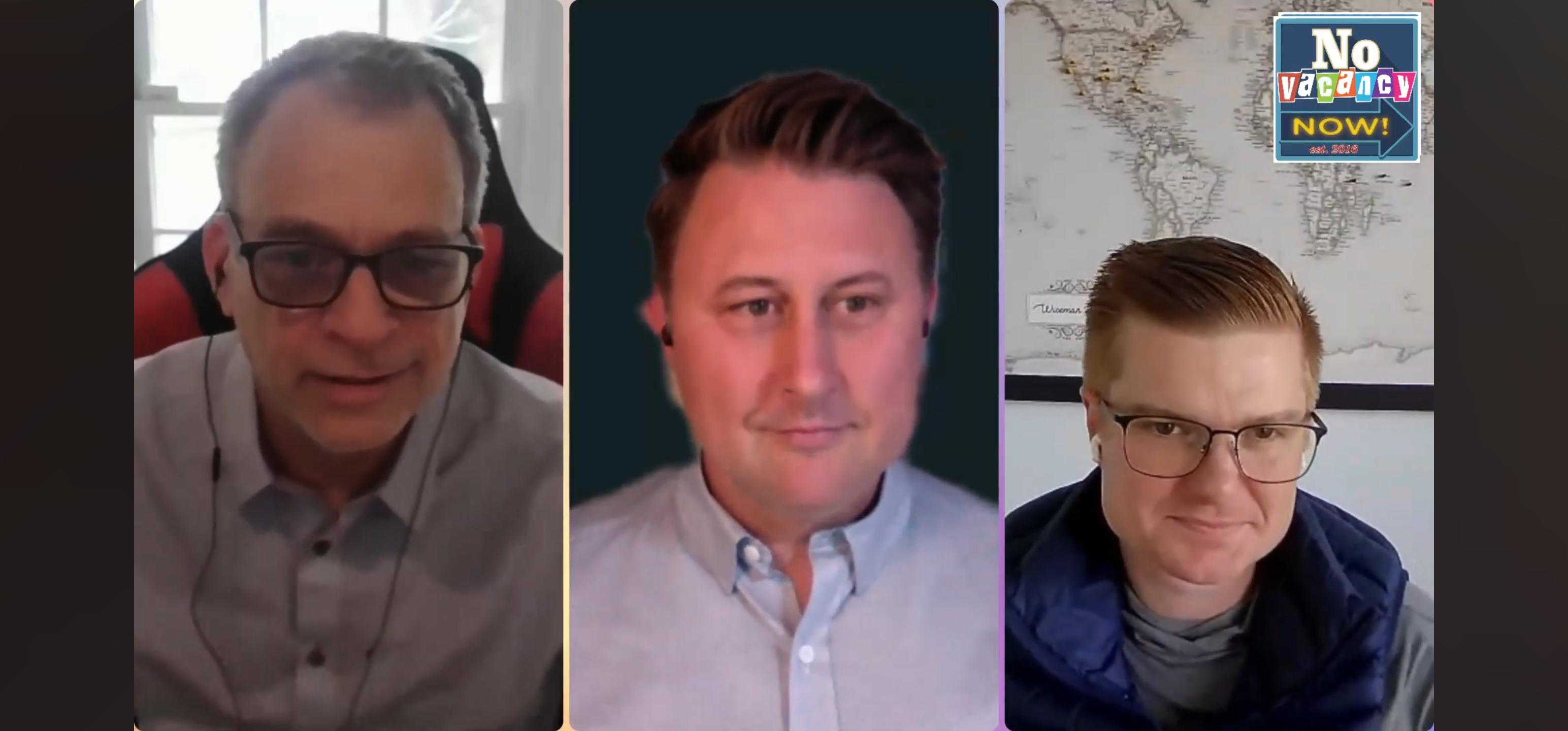
Extended stay dominates U.S. hotel development—and Bruce Ford (SVP, Lodging Econometrics) joined Glenn Haussman on No Vacancy Live to explain why.
You’ll learn:
✔️ Developers signed 39% of all new projects as extended stay brands
✔️ 34% of rooms in the pipeline belong to extended stay
✔️ Franchise giants drive growth with new prototypes and dual-brand strategies
✔️ Secondary and tertiary markets fuel expansion
✔️ Financing delays and inflation slow down actual openings
Bruce shared fresh #hospitality data from Lodging Econometrics and showed where developers, owners, and investors should focus in the years ahead.
🌐 Connect with Lodging Econometrics on LinkedIn
🌐 Explore benchmarking insights at HotelData.com from our sponsor Actabl
👍 Like, share, and subscribe for more insights on #extendedstay and #hotelconstruction.
Transcript
Glenn: Yes, our dreams have come true. I got the incredible Bruce Ford, Senior Vice President of Lodging Econometrics back for me. And finally we’re getting to what everybody’s talking about extended stay. What’s going on in that pipeline. But before we do that, greetings, Bruce. Great to see you.
Bruce: How are you, Glenn? It’s a beautiful fall day here in New England. It’s been quite nice, and it’s good to be home, but let the falls travel season begin, right?
Glenn: I’ve already looked out the window and seen some leaves falling off the trees, and my Seasonal Affective Disorder knows to start. So I’m very excited. I’m very excited about to be depressed for the next six months, so that’ll be good.
Bruce: But football’s back.
Glenn: Football is back. I’m legally obligated to say this for my wife. Go birds. And also Bruce one of the things that seems to be taking off to me is the extended stay hotel pipeline, the subject of our conversation this week. But be sure to check out our other shows on the global pipeline and also individual shows based on the region. But today we’re talking extended stay here in North America.
Bruce: So extended stay is not a chain scale, Glenn. It’s what we call a project type. Okay. And within that project type, we have three tiers of information about extended stay okay. Kind of have an upper upper tier or middle tier or lower tier okay. Upper tier is Homewood Suites Residence Inns. The middle tier is more of the home two suite as well as several of the new brands that we’ve seen growing into Getting announced in since 2016. This is really where extended stay has grown quite a bit. So the.
Glenn: Yes, I can see just by the sheer project count alone that this is where the lion’s share of the business is going.
Bruce: And then the lower tier are things like Woodspring and Extended Stay America.
Glenn: And a big shout out to hometown studios for our friends over here.
Bruce: Yeah, absolutely. So the first column here is hotels that are open and operating today that are going to convert to an extended stay brand. The second column is the new construction signings that are currently in the active pipeline. And then the third column to the right is a breakout of the middle column. So the third column to the right is showing how many of the extended stay projects are actually involved in a dual brand or shared site development.
Glenn: Right. Just to clarify, for people out there, that means physically in the same building, if you’re a dual brand or you could have two buildings on either side of the parking lot.
Bruce: Correct. So it is the same building or same site kind of development, but you’re going to get two brands at the same time, and one of them is an extended stay brand.
Glenn: Yeah. And we see a lot of both of those types of developments these days.
Bruce: So just about everybody now at the franchise company level has a dual brand or quote, business model. Some of them are as small as, say, 60 and 60. So you get like 120 keys. Some of them are as big as maybe 125 and 125. Right. So kind of between like 120 and 250 rooms. There are obviously some outliers on the high side, but the point being is that you have two brands from the same franchise company that are getting together. And to clarify for everybody, it is not common for two different franchise companies to be involved in a dual brand. But it has happened okay, but not in the same building.
Glenn: Typically, no. So I can’t think of any examples that just I don’t see how that would all work fundamentally, but.
Bruce: You get it in the same kind of sight when you have them on opposite corners. That can happen. Certainly not in the same building.
Speaker3: No.
Bruce: We have seen some where you get a full service, an upper upscale hotel and then an upscale extended stay that is beginning to happen. But again, that’s not numerous. Typically it is kind of the similar tier. So putting two brands together that would ultimately be both upper midscale or ultimately be both upscale or ultimately be both economy.
Glenn: Right. That makes a that makes perfect sense to me. And I’ve lived it and experienced it all, all around the country. For example first, I remember a number of years ago, you were telling me how large the extended stay pipeline was. It was something like a third. I was blown away. And recently I’ve stopped saying that number because I wasn’t sure if it was still valid or not. Turns out it’s not. But in an even crazier way.
Bruce: Yes, yes, it’s on the high side. Yeah. Oh, 39% of the new construction projects in the pipeline are an extended stay brand today. 34% of the rooms. So this signals that it’s smaller prototypes, if you will. Which is why the rooms and the project counts are so variable there.
Glenn: Which makes sense. And let me just throw out my own potential analysis. You’ll tell me if I’m wrong. We’re starting to see as cities spread and we’re getting a lot of places, I think because they’re in secondary and tertiary markets, they might be built a little bit smaller than they would have been if they were closer to urban centers. Does that sound right?
Bruce: Oh, 100%. We and we had mentioned this in another regional cast that we did. The average size of the hotel that’s opening today is about nine rooms smaller than previous cycles. So as a result, that is, quote, why it’s happening.
Glenn: Yeah, that makes that that makes a lot of sense. 34% of all rooms in development that’s pretty incredible. But what’s actually going on with the construction pipeline?
Bruce: Well, here we’re going to show it by project stage. So we have three very simple project stages at Lee. You’re either physically in the ground going up. That’s under construction. You’re scheduled to begin sometime in the next 12 months. So this would signal starts from July 1st, 2025 through June 30th, 2026. And then early planning is announced verified. But at this time more than a year from construction start.
Glenn: Right.
Bruce: It does signal the signings. It signals a pipeline that’s ready to burst. It signals when financing becomes more available. Okay, we may be looking at a good rush of extended stay starts.
Glenn: Okay, so we are recording this on Tuesday the 16th of September and airing it on Friday. For all we know, a rate cut could have been announced from the fed. We just don’t know how much it is. So let’s approach this real quick two different ways. I’m going to start with the pessimistic way, not talking about the rate cut at all with how many of these projects likely could get out of the ground. Bruce. Because I’m seeing a real slowdown in the economy, and I’m afraid even though deals have been signed to build, there are developers out there that might get a little shy and not want to take on the burden of debt and construction.
Bruce: With so many new brands. Glenn, the way that the brands and the developers are working together today, they’re okay. With longer planning timelines before the hotel begins construction, it’s clear that what we see is that timeline has extended in some cases from signing to start to as long as two years, and in select service. That has not been the case prior to the pandemic. So people are getting ready. They have the land. They’re looking at the project. They’re waiting for the pencil to shine green. Okay. And it’s going to come. It might be just a little bit slower than some anticipate.
Glenn: Right. That makes sense. So that to me says that we will continue to see a very robust pipeline, though we may not see as many openings as you’re predicting a couple of years from now, because it’s impossible to tell what’s going to happen, particularly on the eve of these rate cuts.
Bruce: Well, these dual brand projects go pretty quick, Glenn. Okay. These prototype designs, they build them pretty fast. Yeah. And because the hotel is smaller, you’re not dealing with a high rise. In many cases, suburban development goes sometimes 20 to 25% faster.
Glenn: Fascinating. Okay, that’s really interesting. I would say I don’t want to be total negative, Nelly. Lumber prices as we’re recording this are significantly down than they have been in a long time. So no sign of a recession or not, but it’s definitely going to help get construction costs under control. And maybe paired with rate cuts that could be part of that secret sauce that, as you say, makes it go green. Yep. Yeah. All right. Next. Next slide. This is interesting to me breaking it up into the different tiers. Specifically what are your observations.
Bruce: So a couple things here that’s unique. First of all upper tier or the higher end extended stay typically relates to upscale. And those have been around the longest. Okay. But there’s only really five brands up there.
Glenn: Fascinating.
Bruce: Okay. And so that pipeline is fairly mature, but also still growing. Okay. And in those upscale extended stay, that’s what really goes in the urban center these days that they’re really pushing into the urban center because the high rates of those hotels can can gather 300 plus a night in busy times.
Glenn: Okay, so I got a question about the upper tier. And there’s only five brands. So this may be indicates to me, being that you just mentioned this urban component, that they’re pushing up against a different category altogether service departments, short term rentals, those sorts of executive type of places to stay.
Bruce: Yes. And you and I have talked about that because the franchise companies are starting to look at that. Okay. And there is no question that you know, if I was to work the information slightly differently, I may be even saying that this could be four tiers by the end of the next cycle.
Glenn: And that’ll be very interesting, because we already know that, like the major companies are involved in that. But the middle tier, Bruce, that’s where a lot of the competition seems to be happening.
Bruce: Absolutely. These are good quality $200 a night. Extended stay properties. Some places, it’s as low as, you know, 149, if you will. But you can do really well at $200 a night on those extended stay in the middle tier. And we’re seeing a lot of growth there. Many of the new announcements are there. You’ll notice along the bottom now of these 42 brands, 20 of them are controlled by Marriott, Hilton, IHG, Hyatt, Wyndham and Choice.
Glenn: Wow.
Bruce: Okay. The amount of growth for those franchise companies with multiple offerings and extended stay has really been quite dynamic, and it’s the reason that the pipeline is so big, because they have the power to get the signings and to get the projects activated, and they are obviously under slightly different terms than, quote, the last real estate cycle. But still, we’re seeing those markets get locked up with land under control and a franchise agreement in hand. And let’s see when the pencil light screen.
Glenn: All right, so speaking of that pencil line in green, what are we looking at with here for openings.
Bruce: So these are the quote the forecast for extended stay for the next three years. The full year of 2025. Obviously some of that has already opened 2026. What is scheduled to open in 2027. So this is just new construction. Okay. And it is somewhat conservative based upon what is actually on the records today that we that we continue to research at lodging econometrics. We work diligently on that. We’re going to call them on a regular basis and, quote, identify the opportunities the best way that we can.
Speaker3: But for the record.
Glenn: They got like dozens, literally dozens of people that do this.
Bruce: Yeah, but the timelines continue to slip a little bit. Glenn.
Speaker3: Yeah, I would be.
Bruce: I wouldn’t be being honest if I told you that the construction starts in the summertime were a little bit underwhelming. And that’s just a, you know, a conservative take on it. It doesn’t mean that the hotel industry is in peril. It doesn’t mean that new the new constructions in peril, it just means that the best projects are happening and some more of them might be delayed a little bit.
Glenn: Yeah, and that’s just the the cycle of life, Bruce. You’ve left me wanting more. How do I find out?
Bruce: So you can visit Lodging econometrics on LinkedIn? We’ll be publishing some more information on Extended Stay this week in conjunction with this broadcast. And we’re very excited to see everybody at the lodging conference. We will be at Desert Suite six coming up on October 6th.
Glenn: Beautiful, I love it. Can’t wait to see all of you at the lodging conference, Bruce. We’re going to get a chance to hang out a little bit at some of those cocktail parties and stuff. A whole lot of.
Speaker3: Fun, if.
Bruce: You’ll have me, Glenn.
Speaker3: Well, we know this is the.
Glenn: Opposite is what’s true. All right, everybody, please like, share and subscribe. This video extended stay, as you know, is the main driver for new property construction in our incredible industry. So you’re going to want to learn more about this. Contact Bruce and we’ll see you guys at the lodging conference. Be well. Bye bye.

More Episodes
-
June 4, 2026
Hotel Owners Facing Tough Choice: PIP, Sell, or Switch Management
-
June 2, 2026
Red Roof Builds an AI-Driven Website: How It Wins Search Next
-
June 1, 2026
7 Seconds Behind the Bar Can Cost $1.1M: Fix These Profit Leaks
-
May 31, 2026
Most Hotel Websites Don’t Use Video—That’s Why Guests Bounce


Subscribe