July 27, 2026
Hotels Finally Fixing Decades-Old Data Problem
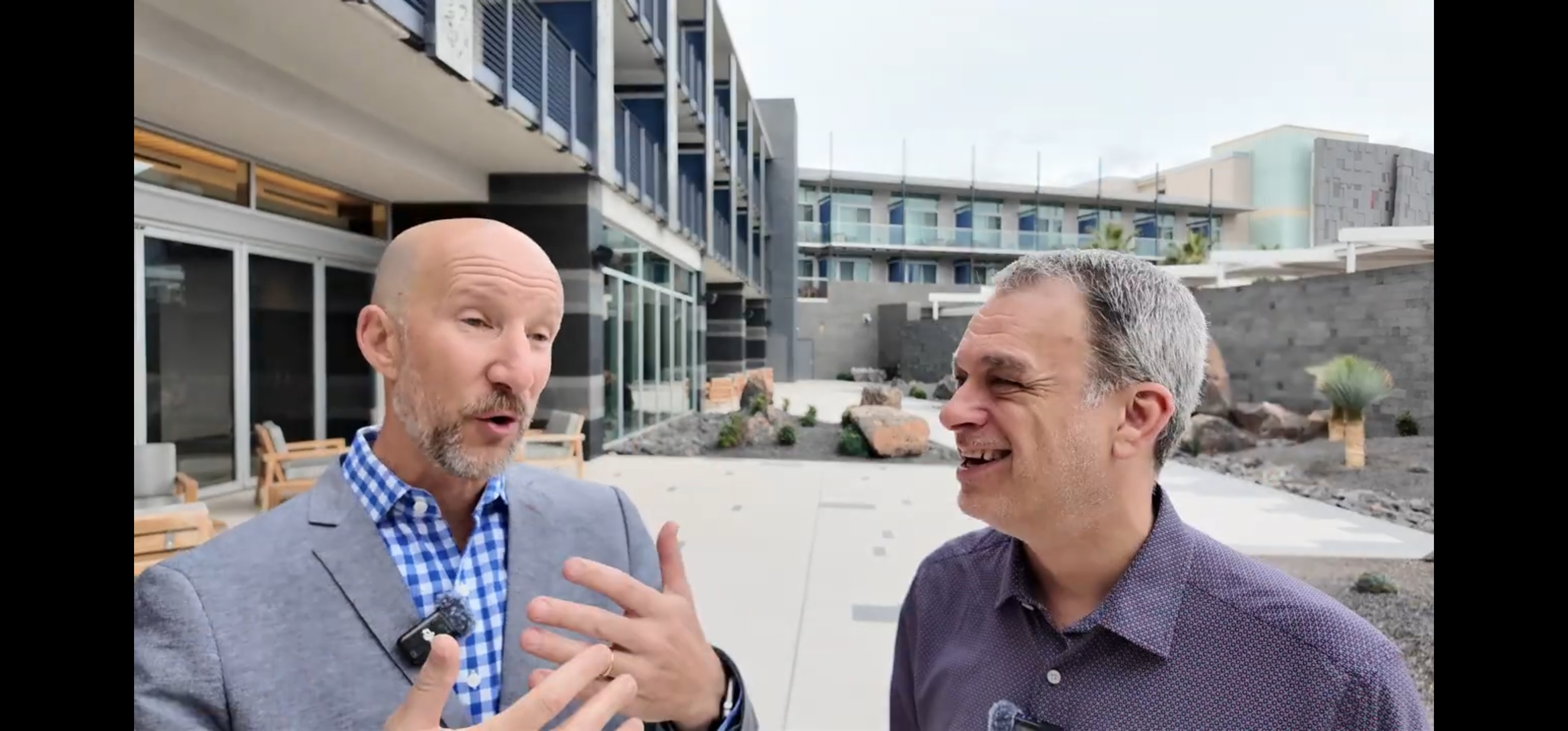
Hotels keep sending Glenn Haussman golf deals. He doesn’t play golf. He’s never played golf. Dana Cariss, SVP of Revenue Strategy at CoralTree Hospitality, showed him exactly how close the industry now stands to fixing that problem.
Disconnected systems used to trap hotel data in silos that couldn’t talk to each other — point of sale here, property management there, sales and catering somewhere else entirely. Carris’s team spent the last couple of years pulling all of it into one place, and the result changes what a hotel can actually know about a guest. This conversation covers:
The specific systems that once trapped guest data in silos and blocked real personalization
How data landing in one warehouse from every department changed what his team could see
Why AI does more than speed up #personalization — it makes sense of data this dense in the first place
CoralTree’s 2026 reporting upgrade that answers plain questions instead of forcing a report
The mindset Carris pushes his team to keep so comfort doesn’t kill innovation
Want the weekly roundup of news, videos, and what you might’ve missed from #NoVacancyNews? Text HOTEL to 66866.
Transcript
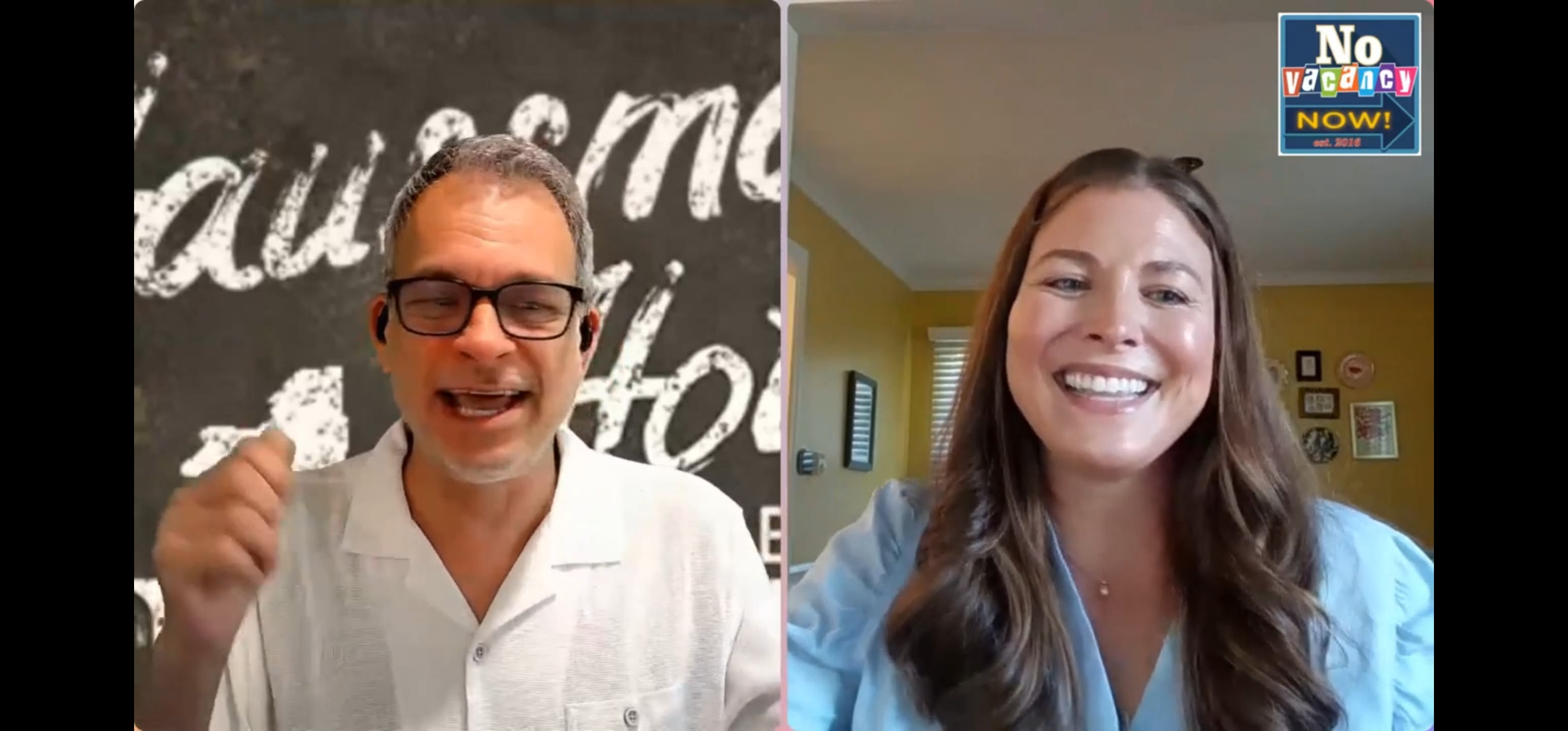
Glenn: [00:00:00] Hey, everybody. It’s your hospitality friend Glenn. I found Dana Carris, SVP Revenue Strategy with CoralTree Hospitality, and today we are going to talk a little bit about revenue and data. Two things I know that you’re all interested in. It’s great to see you, man. Thank you.
Dana: [00:00:11] Thank you for having me.
Glenn: [00:00:12] How you been? You spend your whole life really focused on generating revenue and rethinking all of that. And, you know, we’re really on this precipice of massive change right now. And I know you’re probably in the middle of it. How are you rethinking data to make you smarter, to better connect with customers?
Dana: [00:00:27] I think that’s a great question. We we spent the last couple of years kind of rebuilding our data infrastructure. So we have a third party partner who we have maintained to ingest all of our different disparate systems, right? So from things like point of sale.
Glenn: [00:00:45] Yeah. Deep breath. Because I want people to understand that I think the Achilles heel of getting closer to guests through really understanding what they are is those disparate systems, right? We had all of this data, but someone’s here, someone’s there, someone’s in the other place. You couldn’t get machines to talk to each other or even understand what type of data you had. So I think that’s kind of the starting point that you had. Right?
Dana: [00:01:06] Right. So I’ll put a put a kind of baseline. So when we talk about the different systems very specifically, we’re talking about point of sale. We’re talking about property management systems. We’re talking about our sales and catering systems. And then maybe taking that one step further, we’ve actually even begun importing our data from our financial platform as well as our payroll systems. Interesting. All of it’s coming into a single data lake into a single data warehouse. And we are using data vision. Excuse me, excuse me, we are using power BI to visualize all of that data.
Glenn: [00:01:35] So what does that mean? Visualize all that data.
Dana: [00:01:38] I think reports. Think interactive reports. Whereas Excel reports kind of legacy Excel reports have been very static. Right. Run a report. You have a visual, you have a table, a set of data that you’re looking at. The great thing about power BI and other platforms out there, not only are they dynamic in real time, you can manipulate them in ways that you can’t with the kind of legacy Excel.
Glenn: [00:02:01] Reports that makes perfect sense. Now let’s go a layer deeper. Give me an example of some sort of revelation. Revelation that you were able to have, that you were incapable of doing before you started doing things in a modern way.
Dana: [00:02:16] That’s a actually that’s a great question. We I think the initial strategy was to reduce, create efficiencies, reduce time spent running manual reports, and then looking at it, I think the first big takeaway is just time found, right? You know, we’re no longer spending a bunch of time running reports, normalizing, etc.. I think one of the biggest takeaways is being able to blend the different reports together. Whereas, you know, in those the world of static reports, you’re kind of looking at one here, looking at one here, and maybe you’re good enough to put two windows next to each other. And you look at them right here. We’re crossing data across departments much easier, right. So I think that’s one.
Glenn: [00:02:55] And then you have one central location to visualize all of that data. So it all comes to together. So then you’re probably able to make discoveries that you were unable to before. Right. So how are you able to take some of that, that data and turn it into actionable insights that get you closer to the customer and get them to spend more money?
Dana: [00:03:16] Great question. So the kind of next layer, after you’re able to cross department and look at data, kind of, you know, both deeper and wider. I think what we were, what we’ve been able to do is really hone in on our marketing and the personalization specific to guest spend, right? So as we have pulled in the property management data, the PMS data we’re looking at at the transaction level. So we can understand what the guests spent, where they were at our resorts, where they were spending money, how much.
Glenn: [00:03:45] What they spent it on.
Dana: [00:03:47] All of that. So then we can tailor our marketing and our digital spends, right? Kind of all like top of funnel marketing. We can get much more granular, much more specific and where we want to spend that money.
Glenn: [00:03:57] Right. And I’ve given this example for those of you who’ve been watching my content before? I continually to this day get notices about great deals on golf. I don’t play golf. I’ve never played golf. What we’re talking about here, you’re actually going to be able to reach out to me and go Glen, here’s one, two, three things that are here at this amazing resort that we know that you love.
Dana: [00:04:16] Absolutely.
Glenn: [00:04:17] And let’s make it happen.
Dana: [00:04:18] And AI is accelerating that personalization.
Glenn: [00:04:21] Well, AI is not only accelerating personalization. I would argue that in this particular case, it’s the only thing that makes it possible because we have so much, in my opinion, we have so much data that you can’t even be able to parse it to figure anything out. And that’s where you need the AI to kind of bring it together and help lead you in the right direction. It’s kind of my vibe.
Dana: [00:04:41] No, I agree, I think there’s you can get lost in the data side, right? It’s, it’s a big pool and it’s hard to know what to do and where to do it. I think AI allows you to very easily slice and dice and find the pieces of information that you can then use to action and make decisions on.
Glenn: [00:05:02] Right. And for me, I’m using that sort of thing. I know it’s not the exact parallel, but maybe it’ll help you guys understand a little bit more. Like for me, I’m working on a project and I’m taking a bunch of interviews that I’ve done over the past five years or so, and I could put them into notebook LM and then it could tell me what the connection points are. And then instead of me having to spend 20 hours trying to figure it out alone, it takes five minutes. And then I could go ahead and do what I need to get my project done. And that’s what you guys are saying.
Dana: [00:05:28] It makes me think of something that we’re working on. Yeah. So we’re actually today. So, you know, we have our proprietary internal reporting system. What we’re working on in 2026 is we’re working on adding an LLM to the reporting tool. So instead of make it even more dynamic and more real time in that you can now go in and ask real time questions, right? Real world questions. What was my pick up yesterday? What is my pace for next quarter? How did last year actualize? All of these things will exist in real time, sitting as an information layer on top of the platform.
Glenn: [00:06:01] Right? And then I guess you could probably go in there and say, how many orders of French fries were sold last night? You probably could. Yeah, that would be. That’d be my guess. Yeah. What are you most excited about, about this major transformation? And how are you able to keep up with the speed of change?
Dana: [00:06:15] I don’t think anybody’s keeping up with it.
Glenn: [00:06:17] Yeah.
Dana: [00:06:18] I’m relying on people.
Glenn: [00:06:19] Like you.
Dana: [00:06:19] Glenn, to share information on LinkedIn and other platforms where I can go and learn. Yeah.
Glenn: [00:06:26] And I got to tell you, I feel like I’m in a really blessed position to be able to talk to amazing professionals like you all over and then kind of pull together all of those points into a coherent strategy.
Dana: [00:06:36] It is it is moving fast, right? Yeah. I mean, it was only what is it now, early February. It was only December when Commerce first made its kind of intro into right into the GPT space, right where you can actually make purchases. I still, still think that’s probably a better part of a year away on the hotel side, but it’s only been 60 days, right? Right. And so much happens in a short amount of time that it’s like, it’s hard to even know where to go. So for us, I think it’s about create a, a, a strategic vision of what it is that we want to accomplish. And then as we move along and either more improvements are made or things shift, the kind of sand begins to move under our feet. Then we just pivot, right? We make changes and kind of generally driven by a singular vision of what we want the strategy to be, and then making little strategy shifts as we move.
Glenn: [00:07:25] When you’re dealing with technology, it’s really great, but sometimes stuff doesn’t work. How do you know when something’s failing and how do you fail quickly so you can get past that and try something else?
Dana: [00:07:35] Oh boy. That’s a that’s a, that’s a big question. Yeah. Fail fast. Right?
Glenn: [00:07:40] Yeah. Because I fail trying.
Dana: [00:07:41] To.
Glenn: [00:07:42] What I’m yeah. What I’m trying to do is get people into the right mindset that they need to try different things. And the only way to ultimately get success is to have failures along the way and not get too caught up with it. So, you know, we all have those sorts of things that happen to us when it comes to new technology.
Dana: [00:07:57] And the cliche is being uncomfortable or being comfortable in the uncomfortable.
Glenn: [00:08:01] Yes, exactly.
Dana: [00:08:01] I talked a lot. Yeah. No. And it really it really is a thing, right? It’s how can you push yourself into places and force yourself to do things? As we all are very kind of time poverty, right? Like how, how and when do you do that? And I think for me, the way that I think about this with our teams and the organization is just this sense of curiosity. It’s being kind of constantly curious, constantly interested on what’s next and not at least doing what we can to not get too settled in to, to norm, to comfort to, to processes. Because I think that is the killer of innovation.
Glenn: [00:08:35] I agree. We’re in a constant state of change and it’s essential to continually reevaluate absolutely anything. You made some really great points. Anything else that you want to say before we wrap up here?
Dana: [00:08:45] No thank you. Thank you for being here. I very much appreciate the time and and the insights and the questions.
Glenn: [00:08:50] Yeah, man, this was really good. I learned a lot. And I hope you all learned a lot too. You might want to rewatch this. And I got a great idea. Like share and subscribe. You didn’t see that coming. We’ll see you all later. Bye. Thank you.

More Episodes
-
July 25, 2026
FNA 216: Chex Marks the Spot
-
July 24, 2026
How AYANA’s Midplaza Jakarta Stands Out in a Crowded Market
-
July 23, 2026
Wyndham Beats Marriott for the #1 Hotel Rewards Program of 2026
-
July 22, 2026
Guests Spend More When Hotels Make This Easy

Subscribe