December 4, 2025
997: How Olympia Hospitality Blends Culture, Community, and Creativity Across Its Portfolio
Olympia Hospitality has one of the most interesting mixes of hotels in the country — from boutique retreats to reimagined branded properties to mission-driven assets where 100% of profits fund college scholarships.
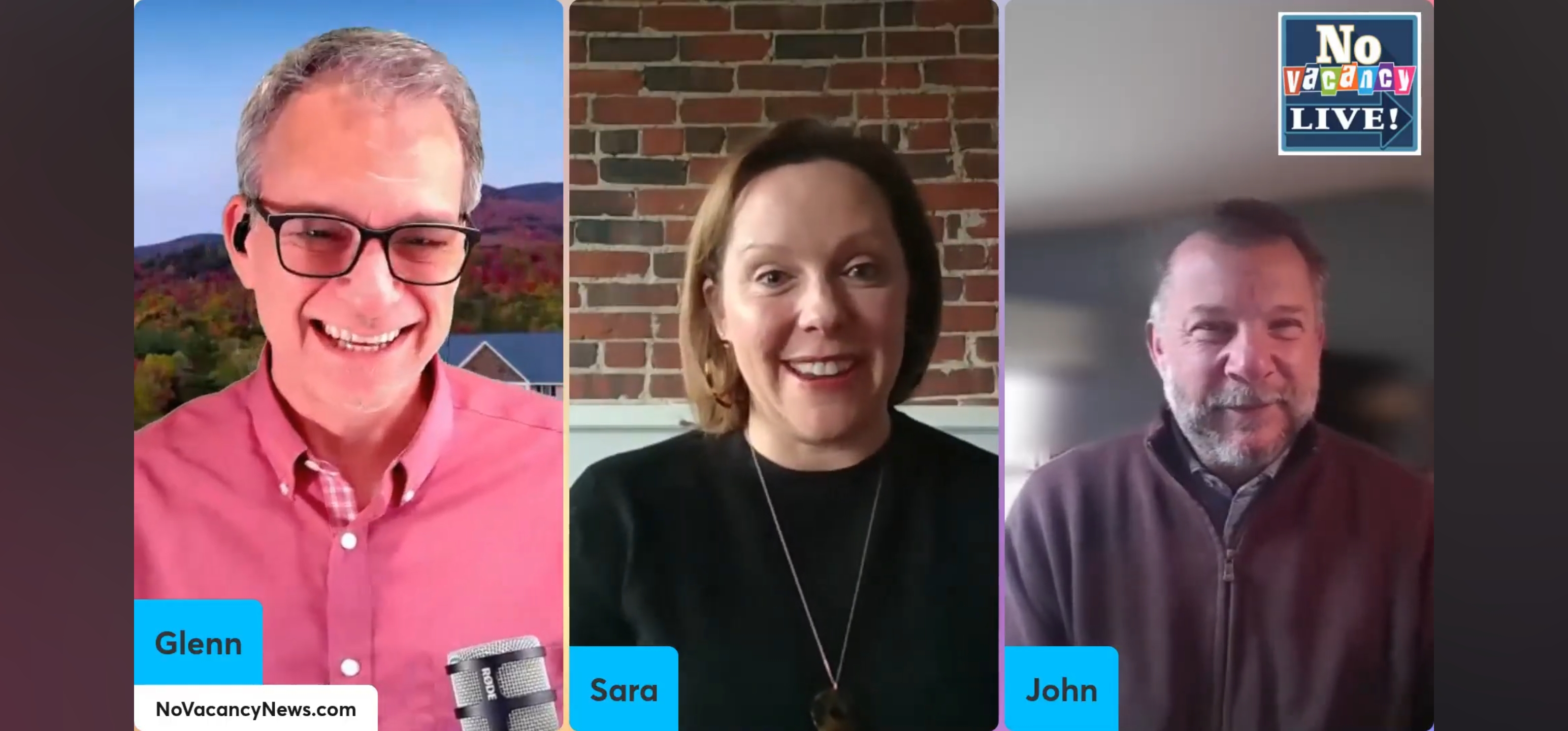
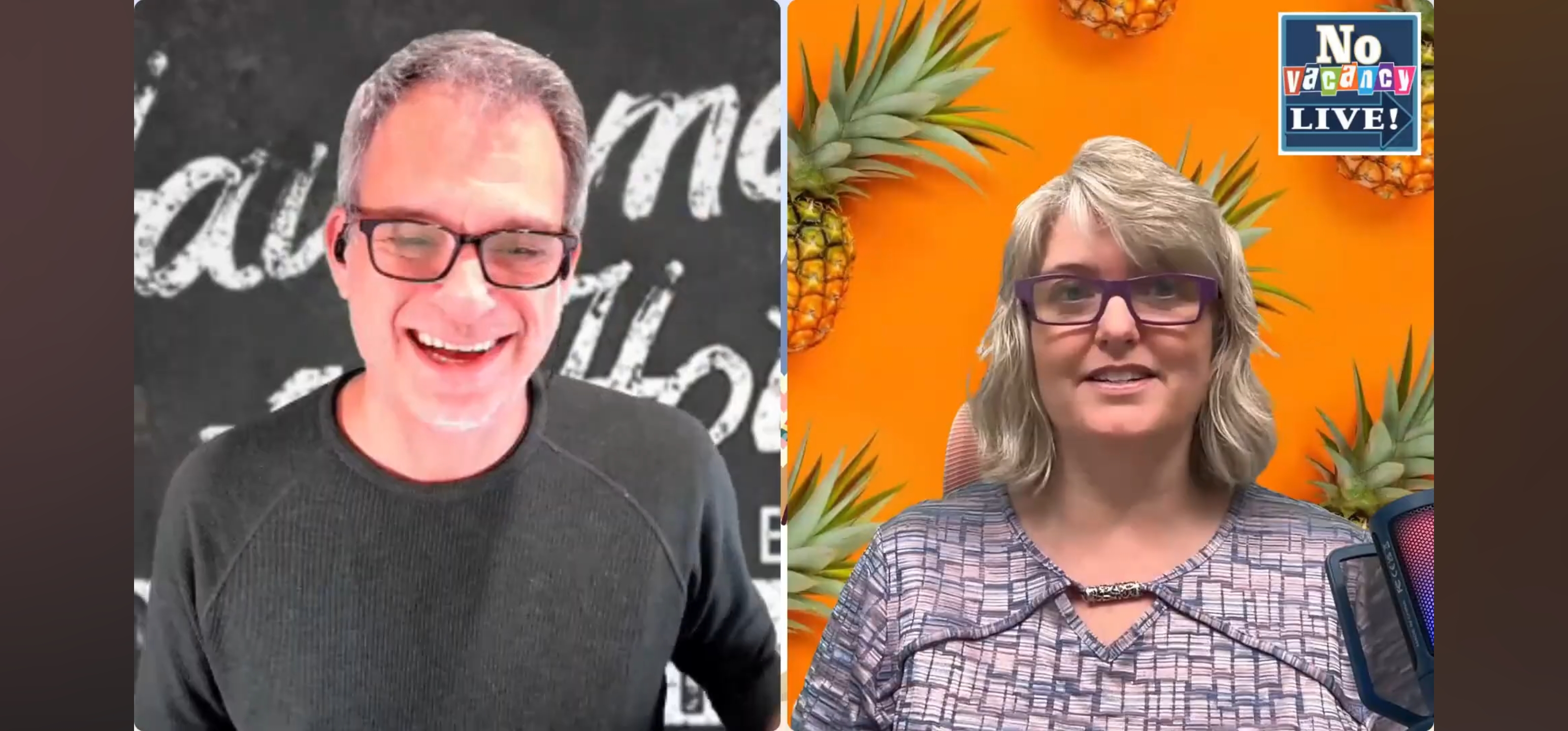
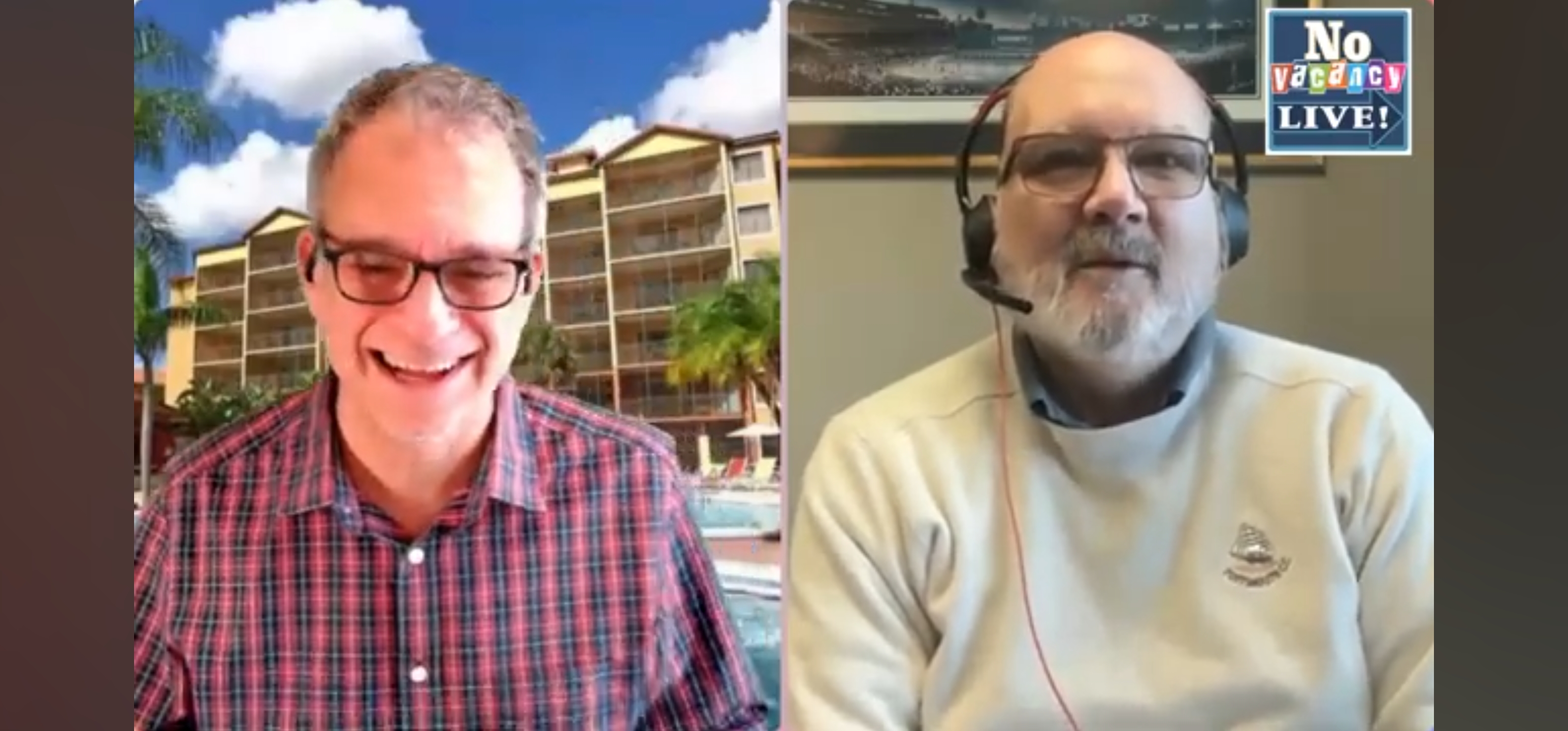
In this episode, Glenn Haussman talks with Sara Masterson and John Schultzel about how Olympia balances creativity, design, technology, community, and performance across a diverse portfolio.
We cover how they customize branded hotels without breaking standards, how younger digital-native employees influence tech adoption, why “living room of the community” is more than a slogan, and how the next decade of travelers will reshape the business.
This episode is brought to you by Actabl — Actabl gives you the power to profit. Visit Actabl.com.
What we cover:
🏨 How Olympia creates high-performing hotels with distinct personality
🌎 Why community-driven design boosts loyalty and ADR
🌟 How The Alfond Inn and Boone Tavern turn profits into education
⚙️ Why tech decisions must reflect the next generation of workers
📈 How market uncertainty fits into Olympia’s long-term thinking
🧭 Why the best hospitality companies act fast — even when tech evolves quickly
Your turn:
What’s one hotel that perfectly reflects its community — and why?
Transcript
Glenn: Hey, everybody. It’s your hospitality, friend. Glenn. Thank you so much for spending time with me today. You could be doing so many other things out there. I want to thank our our advertiser, Actable Actable. They give you the power to profit. Please do me a favor. Check them out at actable. Com. Com. All right. So I’m excited because when I was at the lodging conference this past September, I got to meet new friends. And as I’m approaching 30 years in the business, it’s tough for me to find new people I haven’t met. But I found some cool ones that are doing great things with the hotel in including. And I’m just going to assume they did this the Glenn House hotel right over here. I’m going to assume they named it after me, you know, Glenn Houseman and all that. So we’re going to just go with that. We’re not going to question them too hard on that. So we got Sarah Masterson, we’ve got John Schultz, Hall of Olympia hospitality. Guys, how are you today?
Sara: Great. Thanks for having us, Glenn.
Glenn: It’s great to see you today. Thank you so much for joining me. I really appreciate it. One of the things that I’ve noticed about your hotel company is that you’re doing cool things quietly. You’re not out there being showy. You’re really. You really got your your your attitude straight. You’re doing really cool things with cool properties. And that’s kind of what I wanted to talk to you today. You’ve got a great mix of properties that are more boutique in nature. You’re also really focused on branded properties as well. And I guess the best place to start since you’re president of the hospitality over there is you know, what’s it like trying to have a whole chockablock amount of types of properties in your portfolio? It seems like it’s a lot of opportunities, but also challenging as well.
Sara: Yeah, I think it actually I think there’s more opportunity than challenge, to be honest, because we really get to take the best of both elements and kind of knit those together throughout the operations of of all of our hotels. So the brands are great, they’ve got standards, they’ve got tools and resources, and we learn a lot from those that we can apply to our independent and boutique style hotels. And then on the flip side, we get to be super entrepreneurial and creative in the boutique and independent space, and we can take a lot of that attitude and sort of approach and apply it in the franchise space. So it’s really been kind of a great marriage of two different skill sets that I think benefit both sides of the coin.
Glenn: I love that answer. Because it’s it’s absolutely right. And one of the things that we talk about a lot here on No Vacancy, when we’re dealing with companies such as yours and other great management companies, is really you can pick those best in class ideas and create your own corporate strategy, your own corporate culture that connects with customers, the property level, but also the owners you’re working with. So, John you know, since your chief growth officer what do you think owners are looking for today? And I’d like to start that by. Are you working more with existing properties or property or people that are looking to build new properties? Because I know you had a big one coming next summer.
John: Yeah, it’s a little bit of all of the above, but yeah, literally, you know, we come at this from being an owner. Yeah. Our our roots are back in the 70s as a, as a Holiday Inn franchisee up and down the 95 corridor. So for us you know we were an owner operator for generation before we started really talking to other owners about their aspirations and lodging. And I think our journey sort of follows the journey of the industry. You know, we started off in franchising, and then we wanted to do hotels that had more character, that were more distinctive, that were sort of brand plus. And that reflected a little bit more of their destination. You know, one of our first projects under the Olympia name was a Hilton Garden Inn in Portland. That didn’t want to be a Hilton Garden Inn. It wanted to be a Portland hotel with a Hilton Garden Inn sign on the front door. Right. So it had a titanium facade and LED lighting on the cornice, and it had a custom ground floor program while still working within the framework of the brand. Right. And so I think the owners that we talked to today really wanted to achieve the same level of character distinction, authenticity so that as as the hotel evolves, it’s a reflection of how they see their marketplace and also leverages all of the attributes of that community to be a top performer in its marketplace. And so, you know, I think we have a track record for market leadership, be it on a franchise hotel in Portland, Maine, or a coastal resort property in Nantucket. Our goal is to to do the best in every market that we work in. And our owners are sort of aspiring to achieve the same.
Glenn: Yeah, they They are. And So, Sarah, how are you thinking about the state of things right now and being able to leverage opportunity out in the marketplace as customers are becoming more complex pieces to understand?
Sara: Well, I think there’s there’s the short term and there’s the long term, right. So the short term is is a little bumpy out there right now. I think there’s just a lot of uncertainty for most traveler groups really, with the exception of being kind of in the luxury segment. And so we’re really having to focus on being creative in finding ways to be efficient without undermining the guest experience. But I think over the long term, people love to travel, people love to experience destinations and new places and food and culture and travel is just part of our DNA, getting out and meeting new people and being new spaces. So I think it’s important when we have these rocky times, to not allow ourselves to undermine who we are and cut so thin that we sort of lose our identity and that’s, that’s sort of the that’s the needle we try to thread when things are a little bumpy in the space.
Glenn: Yeah.
Sara: These periods before. And we need to know what will happen on the outside of it, too.
Glenn: Yeah, totally. Sarah, thank you so much for saying that, because one of the Achilles heels of our business at large, and maybe UMass at large, is thinking that the condition that we’re currently in will always be that condition. So I’ve seen it a thousand times. Hoteliers are either like, good times are never going to end or it’s like, oh, you know, the entire time as well. So I love that perspective that you’re bringing to the table. And you’re absolutely right. I do think Americans put priority on experiences more than ever rather than things. And John, that’s why I love what your portfolio is looking like. Right. Like the 76 main Inc. Press Hotel, for example, on Nantucket, the Beacon Hill Hotel in Boston. These are properties that are really emblematic of the culture and community of the property, and I think there’s a great opportunity for you guys to be successful with those types of properties, for sure.
John: Yeah, I think I think in all of those circumstances, be it Nantucket and the vineyard or the White Mountains or in, in Florida the challenge is the same, which is to embrace the place where these properties are at, embrace the attributes of the buildings, and communicate those effectively to people who who want to enjoy the experience you have to offer. And then obviously, I think the key really is working with the people in the buildings who are supporting the hotels to sort of bring that to life in terms of how the experience is delivered to the traveler when they arrive, when they’re there and when they depart, and then to keep that conversation going beyond the stay. And so, you know, touching the traveler at all phases and then staying in touch with those folks long term, because if they have a good experience at hotel A they’re more likely to, to, to dabble in another hotel because Oh, yeah. You know, there’s some common ground as to who’s operating it.
Glenn: Listen, hey, if I had a great time in Nantucket one summer, I just. Everybody knows I’m on Long Island. Just a quick ferry rides up there. Up there from Orient Point over here. I’ll go to Nantucket one summer, and I really have a great experience. Sure, I may want to go back to that hotel, but a good, good part of my brain is going to be like, well, I’ll go to another cool hotel in Martha’s Vineyard because I already know that this company can deliver great service. But I’m curious, Sarah, how you’re thinking about delivering great service down in in Florida because you guys have a a luxury hotel down there as well in Winter Park outside the Orlando area. For those of you who don’t know, that’s outside the theme park area. It’s a suburb of where all the theme parks are. Look at this property. This is awesome.
Sara: It’s a beautiful property and it’s actually just undergone a substantial renovation and expansion. And I think we actually just sort of nailed it. Glenn, that part of the appeal of this property is that it is in a central location that people know and are familiar with, but it’s not a theme park. Hotel is a hotel that could only be in Winter Park, Florida. It doesn’t belong any place else. And I think that the, you know, part of our goal when we, when the property opened was actually to first focus on Winter Park and then focus on the property and make sure that those two things were completely connected to each other and that it was a property that just it couldn’t be any place else. And that’s really the that’s kind of the mantra that in these independent properties that we really try to lead with, which is where is our place? Why are people coming here? How do we make sure that we’re meeting those expectations where guests are? And that’s that. That property is done extremely well. And one of the cool things about that hotel, which is unique, is that 100% of the net profits from the Alfond in actually fund scholarships at Rollins College. So there’s there’s a mission driven story there. That that also just adds to why people love to visit. It feels good. It’s a beautiful property, and the service is exceptional.
Glenn: Yeah. So I do want to talk a little bit about that. Give back in just a second. I’m going to tease guys out there with that. You’re gonna have to hold on and find out. But you know, we’re threading the needle here, I think pretty successfully. To bring back your phrase that that independent luxury element within that community. How did you think about developing something that’s of Winter Or park without getting carried away by the Florida resort experience.
Sara: So I think some of that was it’s actually Rollins College that owns that asset. And they are really they sort of help define the Winter Park experience. And, and one of the mantras in the design phase of that property was to be the living room of Winter Park. They wanted it to be a community asset as much as they wanted it to be a transient guest asset and an asset for the college. And, you know, visitors coming to the campus. And with that in mind, with that sort of fundamental goal in mind you can’t be a living room in a community if you’re not really of that community and don’t speak to that community. And so that’s really been kind of an underlying thread through the original development of the project and then through the expansion and renovation and the way it’s operated on a day to day basis, there’s there’s literally a table in the living room space of this property that people play cards or mahjong or it has kind of a regular rotation of locals who just want to be active and in the space and let alone helps define kind of what the property is.
Glenn: It’s funny.
John: There’s some great I gotta jump in on that because it’s so exciting. The architectural firm and the interior designer also really understood what Winter Park was, and we understood pretty early because there were not a lot of lodging options in Winter Park, that we were really celebrating and communicating what Winter Park was to the traveling audience. And so, you know, there are peacocks in Winter Park, and it’s the home of the Tiffany Art collection, and there’s a lot of wrought iron and Meissner architecture throughout the Rollins campus. And so those things all came to life in the ultimate design both on the outside of the building, on the inside of the building. And it really allowed the hotel to be kind of a canvas of Winter Park which really supported the marketing and promotion of the hotel.
Glenn: That makes a lot of sense. So two important things. Number one, the second you said mahjong, I heard my mom booking a flight to go here. And number two, I can’t. I can’t not stop for a second and say how much I didn’t. I’d love your comment. The living room of the community. I think that really frames a point of view that US hospitality should be taking, because that’s really the way to profitability. And I think when it comes to branded properties, that becomes even more essential over time. So quick transition, how you all thinking about imbuing spirit and community into properties that have maybe potentially more rigid rules of design and structure than freeform boutique properties?
John: I think it starts with your initial first cost. Yeah. We find that if you make the effort to collaborate with your franchise design and construction representatives. There’s a willingness to customize, especially on the ground floor, but also in certain touch points. If it’s artwork mirror frames, lighting bathroom materials, there’s ways to make the commitment to celebrate your your place. Within the franchise framework. Sometimes there’s some, you know, there’s there’s a cost premium associated with that. But it’s always been our presumption that if you make the investment on the front end in quality, you’ll get it on the back end in ADR and loyalty. And so we’ve been able to have really effective conversations with our franchise partners over the years. You know, even as recently we we renovated one of our first hotels was the Holiday Inn in Charlottesville, which we continue to own today. Was there ever you sexy 64 but same, same same mindset? But we we took a wholly different approach to a Holiday Inn lobby. They’re actually using some of the experiences we had with our Hilton Garden Inn developments to put in some, you know, really customized elements to that hotel that when you walk in, you don’t feel like you’re in a Holiday Inn, but you really feel like you’re, you know, in a sort of the Jeffersonian marketplace that is Charlottesville. And also leaning into sort of the University of Virginia. And so I really do think it starts with your your first effort in design and then your long term commitment to sort of maintaining those assets at a high level. So that they, they don’t sort of age poorly, you know, as the, as the asset gets older.
Glenn: Yeah, we did in a couple of hotels recently. That was a much older asset that they didn’t treat with the respect it deserved. So it felt old rather than being able to honor the building, even if it was built in the 70s or 80s and has smaller bathrooms or whatnot. You know, there’s a difference between it not feeling fresh and new and, you know, limited by outdated infrastructure. That’s easily forgivable. And it really comes down to what you’re saying, John smart design and connecting with the guests so they feel the value rather than feel like they’re paying a premium for something and knowing that they’re doing that. So, Sarah, I want to go back to this giveback thing. I am recently come into the world of understanding that there are properties out there that give all of their profits to the community, to charities, to to help one of my friends, not to mention now, because this is your show really turned me on to that. He’s a president of a company. All their profits go to help you know, people in the community. So tell me a little bit about your cool partners that do this sort of thing.
Speaker4: So we have a great we have great opportunities.
Sara: To work with campus and academic assets. And, you know, they’re very mindful of access to education for a broad spectrum of students. And so I was really early on. Right. The alpha and in 100% of the profits there fund student scholarships that for students that may not otherwise be able to have access to an education at Rollins College. We also we have.
Glenn: I’ll just say, just looking at the photo of that hotel, my guess is it’s millions goes to to that. So, yeah.
Sara: That is an extremely successful a lot of students have had an opportunity to get receiver Rollins education. That’s great. We also have we work with Boone Tavern in that’s owned by Berea College in Berea College is located in Berea, Kentucky. And there they are exclusively mission focused where they’re trying to create educational opportunities for students in the greater, largely the greater Appalachian region who would otherwise have absolutely no opportunity to achieve higher education because they just they don’t come from a place of means or access or opportunity. And so their mission is that 100% of students leave with no debt. They pay no tuition, and they leave with no debt. And, you know, the Boone Taverns role in that is really being a place maker for visitors who are traveling kind of through the Kentucky region. Maybe they’re on the Bourbon Trail, maybe they’re kind of looking for arts and crafts which that area is very well known for. And they get to engage with the college and they get to learn about the college’s mission. They get to engage with students because all students are under a work program there. And so they have an opportunity to really learn about this fantastic mission and a lot of donations that you know, are contributed to the Berea Endowment actually come from experiences with guests at Boone Tavern. And so being able to connect those dots really fun and gratifying part of the work that we’re able to do in those types of situations.
Glenn: Yeah, that’s that’s really cool. And this one company that I was mentioning before on their menus, it’ll be like when you order something, it’ll be like, order this and it will do x, y, z to help the community. That sort of a thing. I thought, that’s a really neat, general idea that everybody who’s giving to charity might be able to leverage for opportunity. John, what are you most excited about looking forward to 2026? Technology is changing, opportunities are shifting. And I’m starting to feel like if you put in the right type of energy and hard work, you’re going to be finding success even in in potential adverse market conditions.
John: Yeah, I think all of us are to recognize that the adverse market conditions that you’re referencing are real. We just saw some downgraded forecasts in the news this morning. So so for us.
Glenn: Should everybody should know that we’re recording this a few weeks before it airs. So whatever he said happened Already, but chances are there was still crappy stuff in the news today, so there’s that.
John: Yeah, mentally, you know, we’ve been around since 1969 and all of these sort of you know, if it’s if it was the recession, if it was Covid, if it was nine over 11, you know, offer you opportunities to sort of either get back to basics or rethink sort of the fundamental assumptions of how you operate. And now we’re doing that with the, you know, the, the the growth of AI and, and how to sort of leverage that as a tool. I think we’re all still a learning mode there. I think there’s so much more to understand, but I, I think, you know, one of the things that Sarah’s been so pivotal in leading our company is trying to be on the front end of of how those systems and and resources get applied to our daily operating practices. It’ll be fun to watch how our team evolves with that if it’s on POS and PMS systems, if it’s on distribution, digital marketing or the guest experience. I think because it’s evolving so rapidly, we’ll see changes in 2026. Yeah, we’ll influence how we do things long term. And I’m just personally curious to see how those unfold.
Glenn: Yeah, you and me both. So Sarah, it’s tough making tech choices. What rubric do you put it through to go? Okay, we’re going to do this now. And I say that knowing that anytime I buy anything the second I get it home, it’s outdated.
Sara: Yeah.
Sara: So we look at it kind of in two different ways.
Sara: One is, you know, I mean, when I was a general manager, you would install a property management system as an example, and it was a huge undertaking and probably.
Sara: Going to have.
Sara: On premise. And you were going to have it for seven years, ten years, like it was just it was a big thing.
Glenn: And I feel like they’ve had it for 40 years.
Sara: Some of that, I think that’s very true. And I think one of the changes here is that technology is it’s not. Its shelf life in general is just going to be shorter. And we have to get comfortable with that. And I don’t think that necessarily has to be disruptive because with the shelf life being shorter it’s easier to use. We have a more native generation in the space now that they grew up with this type of technology. And so we don’t I don’t think we have to be as afraid of making changes. We used to be.
Sara: Is part of part of our philosophy. The other key that we’re really focused on, where can we move kind of some of the, the administrative tasks, the, the things that just have to be done, the things that Excel has been doing and we’ve been doing manually for a period of time so that we can actually refocus energy. It’s not necessarily to, you know, unburden panels with payroll. What it really is, is about is about focusing that payroll on doubling down on guest experiences and service and making sure we’re executing at a really high level. So those are sort of the two litmus tests we use. Is this going to make us more efficient and more efficient through the lens of we can provide better service ultimately. And is it a technology that is going to be relatively painless in the rollout and easy on the adaptive uptake, because we know that in two years, in a year and 18 months, in some cases it’s going to be outdated and we’re going to have to shift.
Glenn: Right.
Sara: But I think that generally it’s it feels like a lot coming at us all at once. And very little of it, in my view, at this point is really fully matured.
Sara: But I think it’s easier to dabble in some of these things now because there are a lot more intuitive, we’re a lot more familiar and comfortable with the space and the cost of rollout and the cost of acquiring. It’s not $45,000 to roll out a PMS anymore. It’s software as a service that’s based on a room key count, and it looks just like your iPad. So you know, the the training runway is a lot shorter for most of these systems.
Glenn: So what you said a lot of amazing stuff right there. But the one thing that I’ve been thinking about more of a psychological level is that people who are in charge are typically older. And I would say, generally speaking, are digital immigrants, not the digital native population. So I’m just forming this thought now, I’m starting to think that we perceive our technological changes and what we want to implement in our companies from our point of view, instead of fully understanding that the younger generation sees it in a completely different way, and a trigger where we’ll say, maybe not, it might be a definite yes. For those people who think I have some sort of validity to this stuff that I’m spewing.
Speaker4: I think that’s really true.
Sara: I think that, you know, just there, the younger generation, they grew up with it and they grew up with rapidly changing technology. What the iPhone was and what the iPhone is today, they’re completely different. And so they’re very adaptable and very comfortable in sort of new technology spaces. And so I think we have to evaluate our, you know, our changes in our progress through that lens and not let perfect be the enemy of progress, because that’s always been from a technology perspective, in my opinion, in our industry. Like we’re waiting for it to be fully baked. And so we’re really slow to adapt. But I think that that’s a hindrance in this case. And, and frankly, it could be a turnoff for you know, younger people coming into our industry which is already a challenge. We have to be we have to meet them where they are. And they are in a technology world.
Glenn: Right. Which brings me back to another comment that you made about offloading some of the stuff that we don’t want to do, which will enable us to operate properties with fewer people and honor the associates by having them do what they’re meant to do connect people with people rather than stare at Excel spreadsheets. I don’t think anybody likes that. Sorry if you do. Absolutely love that. It’s nothing personal. John, any anything else you feel I’m not missing here today? That you’re burning to know?
Speaker6: I really appreciate the fact.
John: That you sort of introduced the time dimension to all of the decision making and filtering that we do in terms of how we build and operate hotels. You know, the travelers that are sustaining the luxury segment today are not going to be the same travelers who are sustaining our industry a decade from now. Right. And the volume of changes that take place between now and the travelers that we’re talking about, who are the next generation of tech driven folks you know, are going to, you know, obligate us to adapt. And I think that’s a dynamic constantly evolving process. It speaks to Sarah’s sort of definition of sort of nimble adaptation. Yeah. At the same time, our buildings are permanent and travel is timeless. And so the marriage of those two things, I think, is what makes this industry so much fun. And and it’s why people who have the sort of the hospitality sickness, if you will, have a hard time getting away from it because no, no two days are the same in our business, and no two days ever will be.
Glenn: Yeah, I great, great approach. Sarah, how about you? Any final thoughts?
Sara: No. I think, you know, we covered a lot of different topics. I’m really excited. You know, this immediate, you know, presence, situation notwithstanding, I’m really excited about where this industry is going to go. I think it’s it’s extremely durable. It’s very dynamic. I think there are great opportunities for people to build real and meaningful careers in this space.
Sara: We have a hunger to travel and we have a hunger to experience. And like, how lucky are we to be able to meet those needs and meet those expectations? And it’s just it’s a great business to be in.
Glenn: I see you and raise you great business to the best business to to be in. Because it really is fun. And I’m so happy that we got put in touch and we got to meet at the lodging conference and had this conversation. You guys are awesome. You know what? Let’s do a quick plug for you. How do I how do we learn more about Olympia Hospitality? John.
John: Olympia. Com is obviously the easiest and best way to do it. But, you know, we also just rely so much on our friends, colleagues and partners to be our best advocates.
Glenn: I love it. Thanks, guys. I really appreciate you being here today. And I appreciate all of you folks being here today. What a great show that was. You’re going to want to rewind that. And while you’re rewinding it to hear it again. The best way to do that, of course, is follow us wherever you get your podcasts. Find me on LinkedIn, YouTube, all the other socials as well. Remember everybody, you’ve got one life. So blaze on and I’ll see you next time. Bye everybody.

More Episodes
-
December 19, 2025
Hospitality’s 2025 Reckoning — And What Comes Next in 2026
-
December 18, 2025
Episode 1,000: Still Showing Up 10 Years Later
-
December 16, 2025
What the Global Hotel Pipeline Actually Says About 2026
-
December 15, 2025
Luxury Is Changing: What Matters Now According to Hotel Leaders in Las Vegas

Subscribe